This area brings together the Districalc products used to teach energy engineering: integrated off-grid laboratories, hydrogen and fuel cells from 12 W to 1 MW, solar and wind energy, measurement with Vernier sensors, and storage and electromobility. The equipment comes from Horizon Educational, Heliocentris, KidWind, Vernier and LJ Create, with teacher training and support from Districalc.
Featured video
Smart Home Energy Trainer
🔬 Integrated Energy Laboratories
Complete systems that integrate solar, wind, hydrogen and storage for energy engineering courses.

New Energy Lab
Integrated off-grid system combining solar, wind, hydrogen and battery storage. More than 30 measurement points with real-time energy-flow visualisation. Compatible with SCADA, MATLAB/Simulink and PLCs through OPC UA.

Horizon Renewable Energy Trainer
University-level trainer with enough content for a full semester of experiments. Integrates a photovoltaic solar simulator, a wind turbine and a hydrogen fuel cell with interactive software and data acquisition for in-depth analysis.
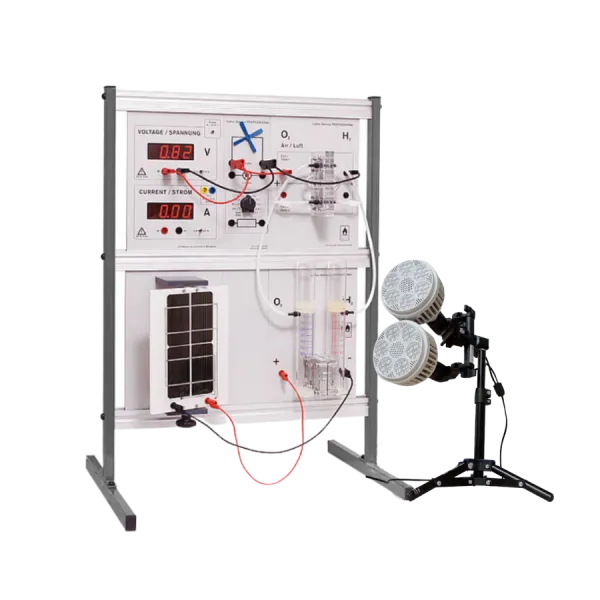
Dr. FuelCell® Professional
Complete solar-hydrogen cycle system for technical training. Students see how energy from solar panels is stored through electrolysis and converted back through a fuel cell. Includes 4 textbooks, more than 20 pre-configured experiments and multimedia materials.
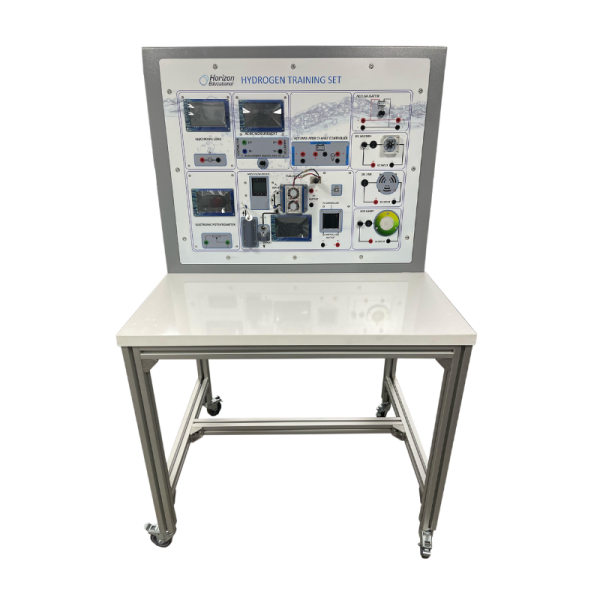
Horizon Hydrogen Training Set-30 (HHTS-30)
Designed for educational and research purposes, it offers hands-on experience with a wide range of hydrogen technology components: electrolyzers, fuel cells, measurement and analysis.
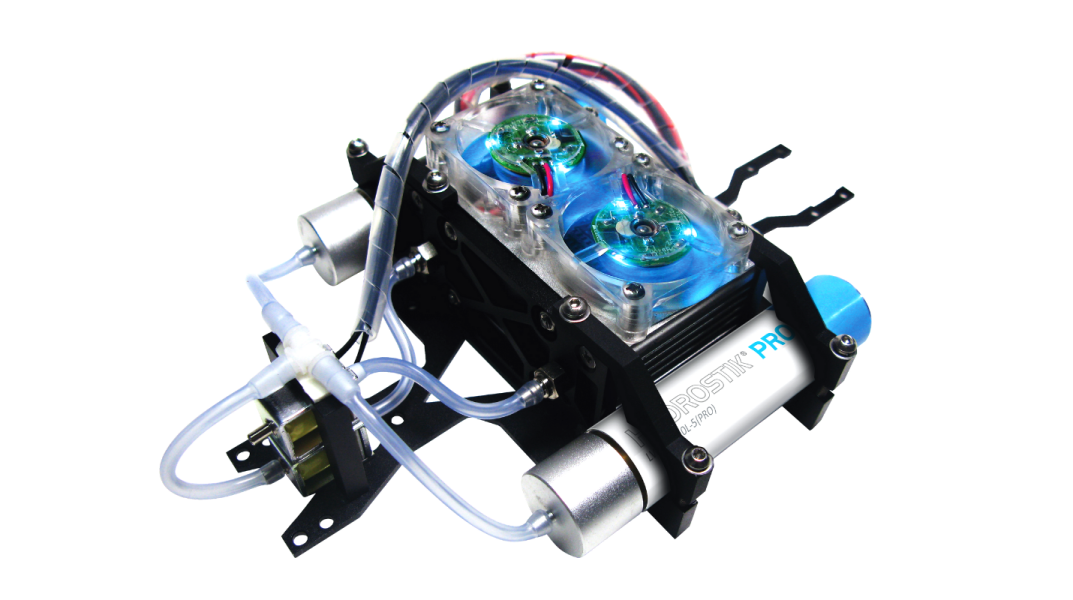
H-CELL 2.0 (FCJJ-21)
Lets students build hydrogen-electric hybrid applications that replicate real hybrid-vehicle technology at scale. Ideal for universities and advanced technical training centres working with fuel cell systems.
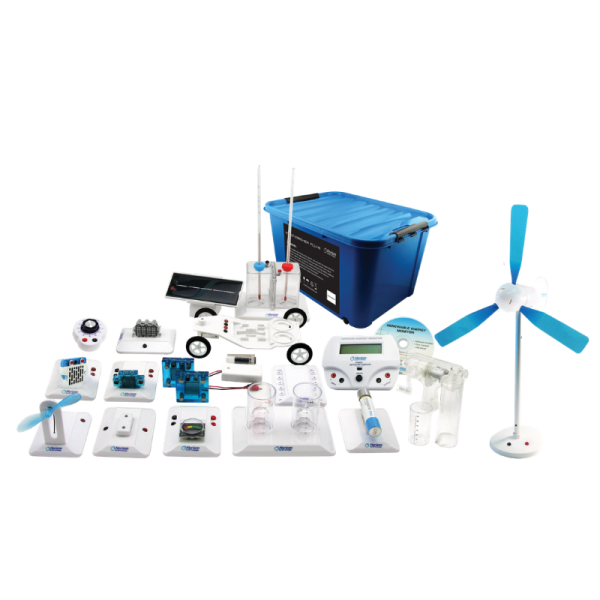
Horizon Energy Box (FCJJ-40)
Complete understanding of how fuel cells interact with renewable sources to create a sustainable electrical grid.
💧 Hydrogen: Production, Storage & Refuelling
From electrolyzer to cylinder: hydrogen generation, metal hydrides and PEM components.

Horizon Hydrogen Generator (HG 30 | 198)
High-purity laboratory generator (99.9999% vol.) based on PEM technology. Output of 30–198 sl/h, pressure 0.1–16 bar, modular design (up to 10 units), integrated leak monitoring and standard 19" rack format. Maintenance-free.
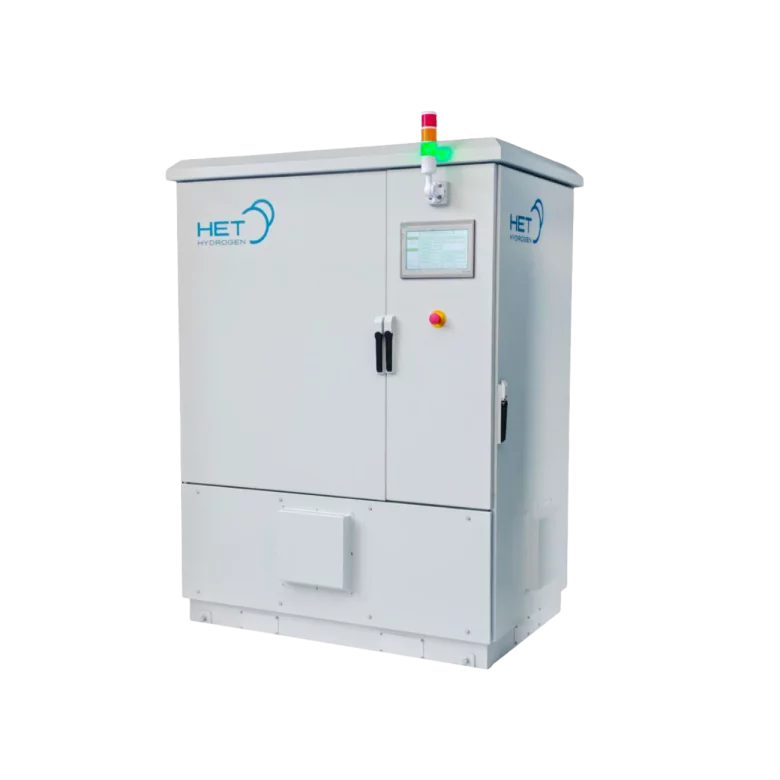
HET-P2-0.5 PEM Electrolyzer System
Fully integrated, industrial-grade hydrogen generation solution for clean on-site production.

Metal Hydride Storage (MHS)
Compact, safe canisters for low-pressure hydrogen storage. Available in 200 Nl and 800 Nl at 25 bar, with a low-temperature AB2 alloy for high volumetric density. Built-in safety valve and certified under the pressure equipment directive.
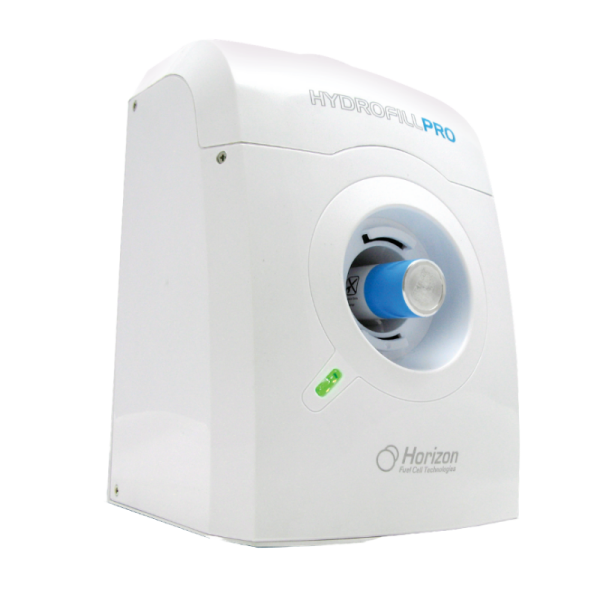
Hydrofill Pro (FCH-020)
Desktop hydrogen refueling station. Charges HYDROSTIK PRO cartridges through water electrolysis.
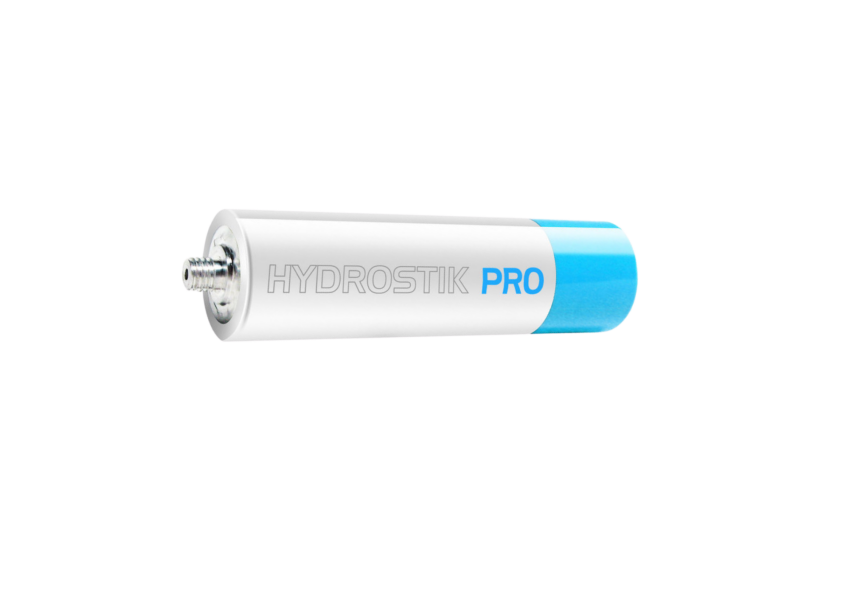
Hydrostik Pro (LWH22-10L-5 PRO)
Hydrogen storage cartridge with the most advanced technology. Portable and safe solution for Horizon kits.
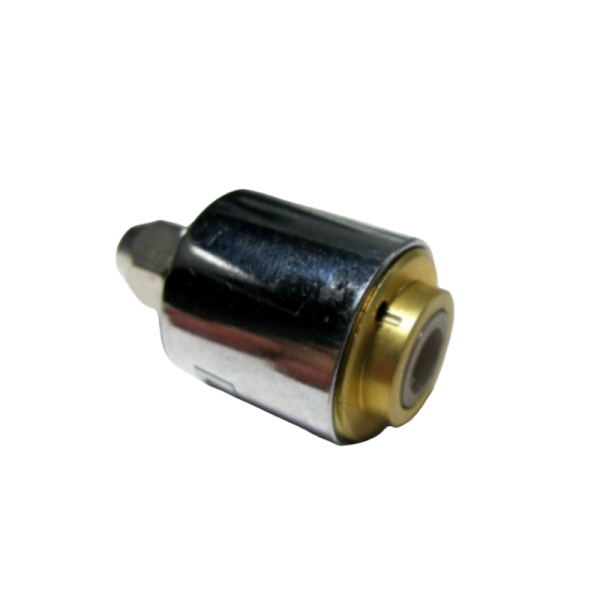
One Step Pressure Regulator (FSC-PR-1)
One-step pressure regulator for HYDROSTIK PRO cartridge. Releases hydrogen with controlled flow of 0–8 L/min.
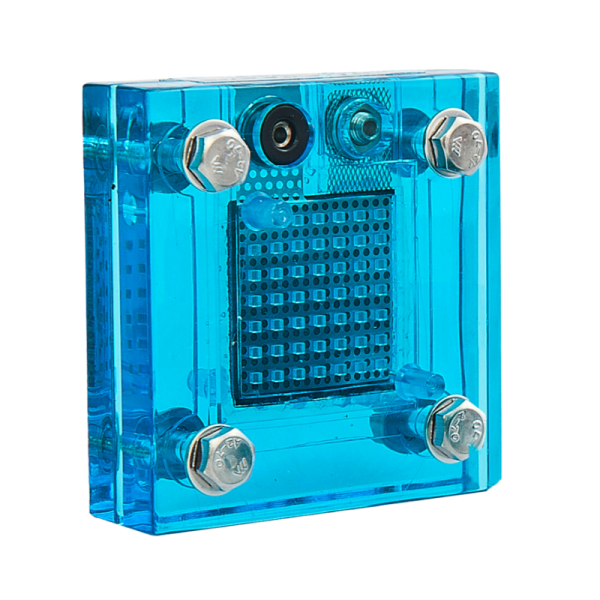
Blue PEM Electrolyzer Polymer Membrane – 1 unit (FCSU-010B-1)
Individual PEM electrolyzer that produces hydrogen and oxygen through water electrolysis.
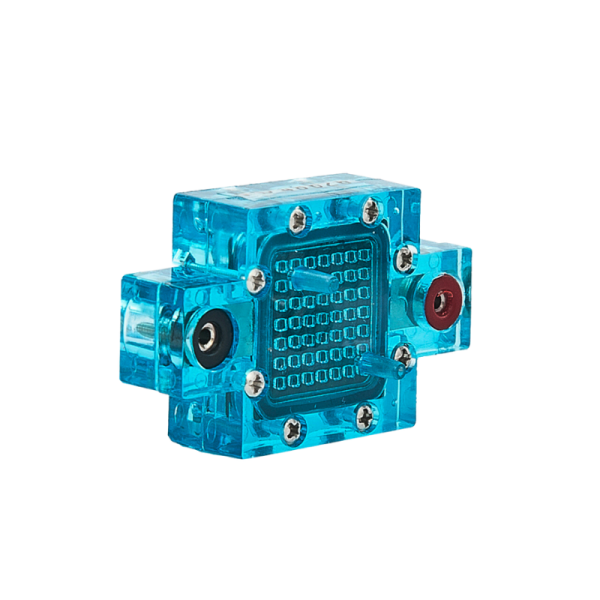
Blue PEM Mini Fuel Cell – 1 unit (FCSU-012B-1)
Industrial PEM mini fuel cell for educational purposes. Generates electricity from hydrogen.
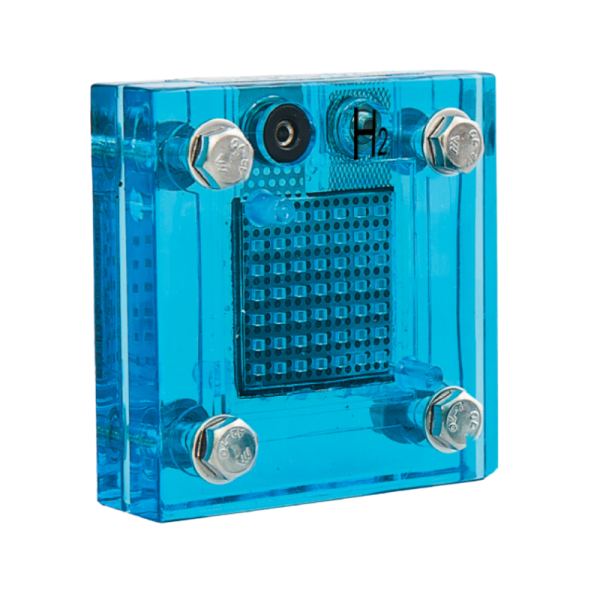
Blue PEM Reversible Fuel Cell – 1 unit (FCSU-023B-1)
Dual-function device: acts as both an electrolyzer AND a fuel cell in a single component.
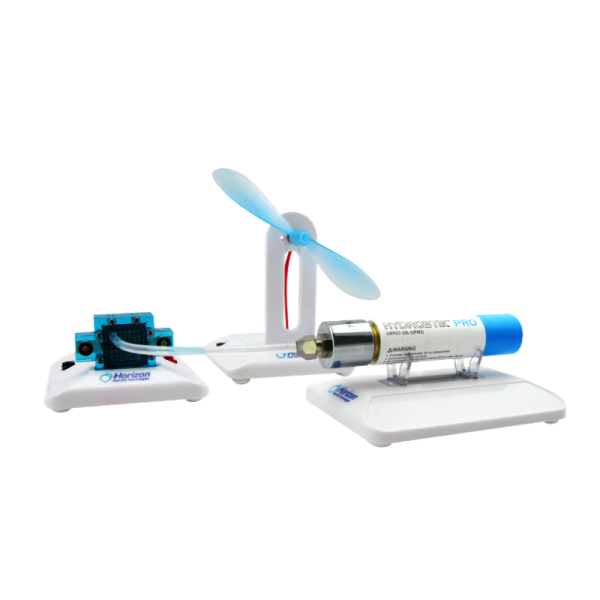
Micro Fuel Cell Science Kit (FCJJ-44)
Explores energy storage with hydrogen-to-metal hydride conversion. Hydrogen fuel cell in compact format.
🔋 Fuel Cells by Power Range
Horizon families from 12 W up to 1 MW. Each series includes several models: see the Hydrogen Education page for details.
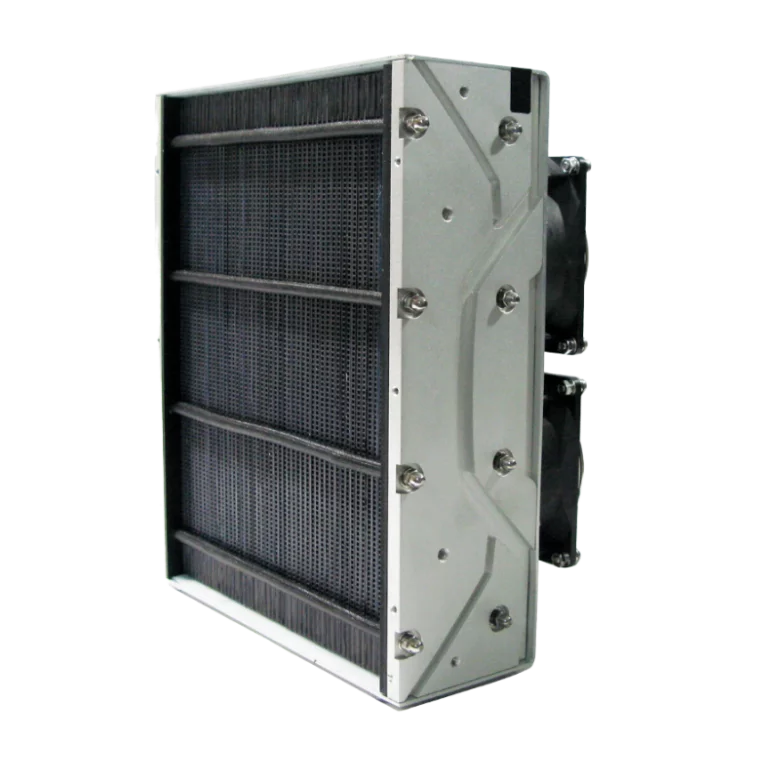
H Series – Air-cooled (12 W to 5 kW)
Air-cooled PEM fuel cells from the H-12 (12 W) up to the H-5000 (5 kW), for labs and projects of increasing power.
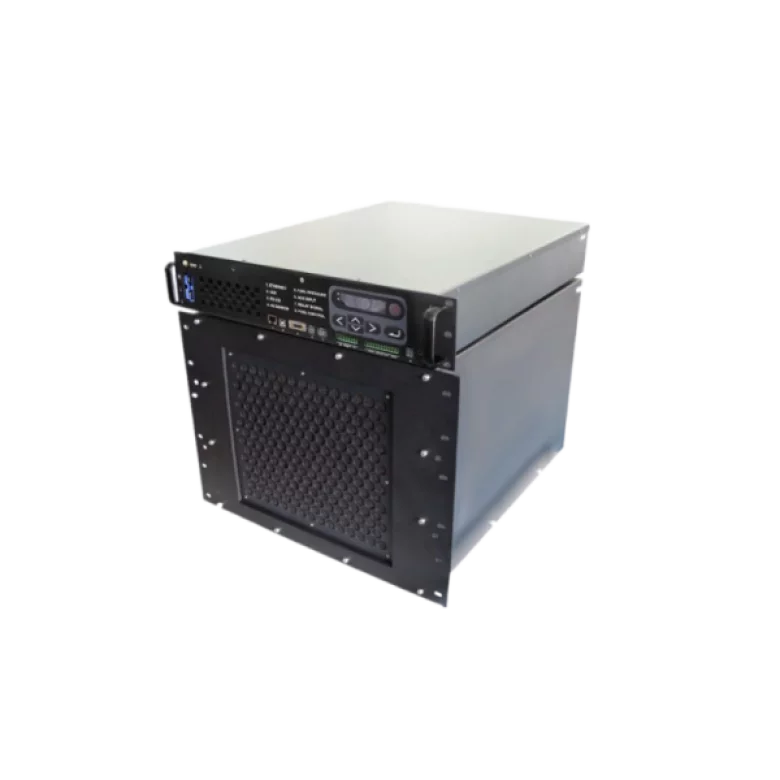
T Series – Stationary (1 kW to 10 kW)
Stationary T-1kW, T-2.5kW, T-3kW, T-5kW and T-10kW cells and stacks for stationary power generation.
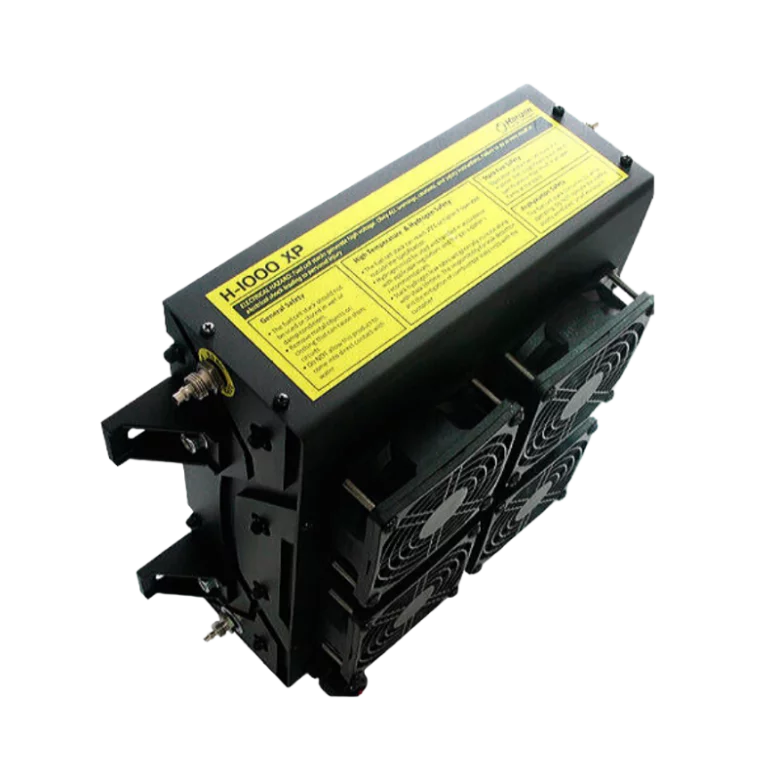
XP Series – Competition (500 W and 1 kW)
H-500 XP and H-1000 XP: competition fuel cell systems. The H-1000 XP was demonstrated at Shell Eco-marathon Americas 2025.
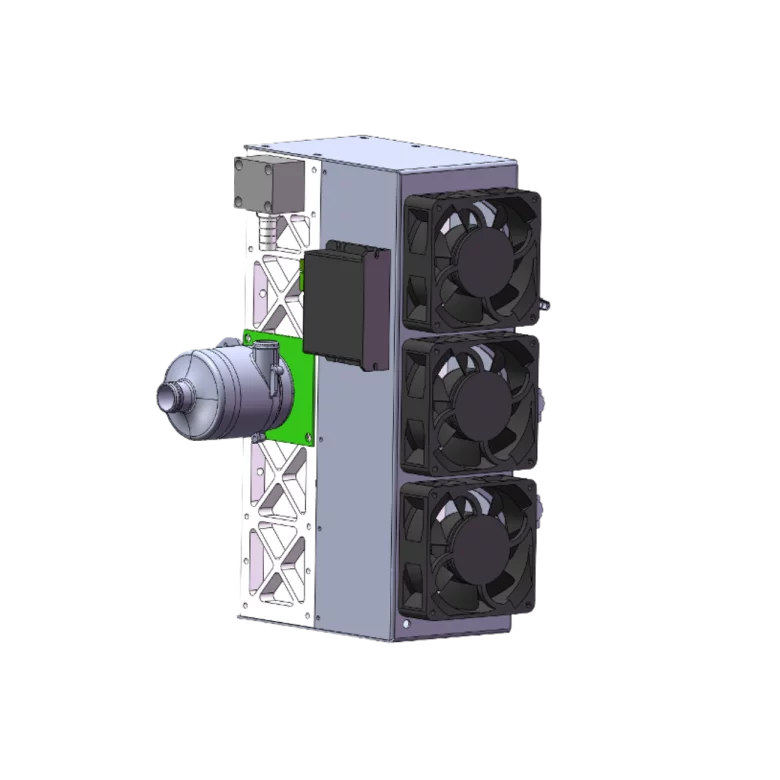
Closed-Cathode PEM (500 W to 40 kW)
Closed-cathode PEM systems from 500 W to 5 kW (FCS-C500-CC to FCS-C5000-CC) and 10, 20 and 40 kW (HFC-C10k/20k/40k-CC).
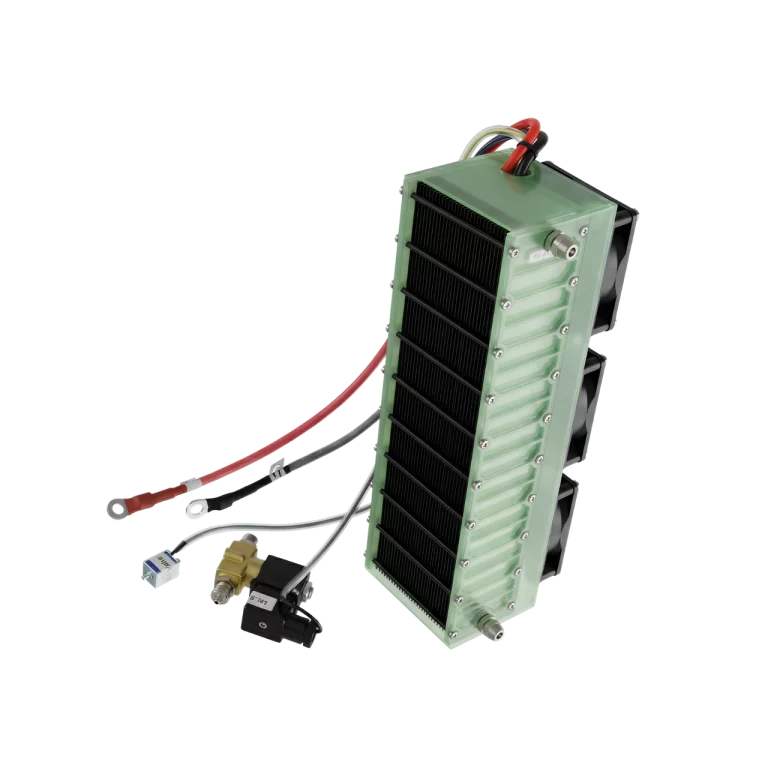
Ultra-Light Series (500 W to 3 kW)
UL-500, UL-1000, UL-2000 and UL-3000: lightweight fuel cells for aerial applications and drones.
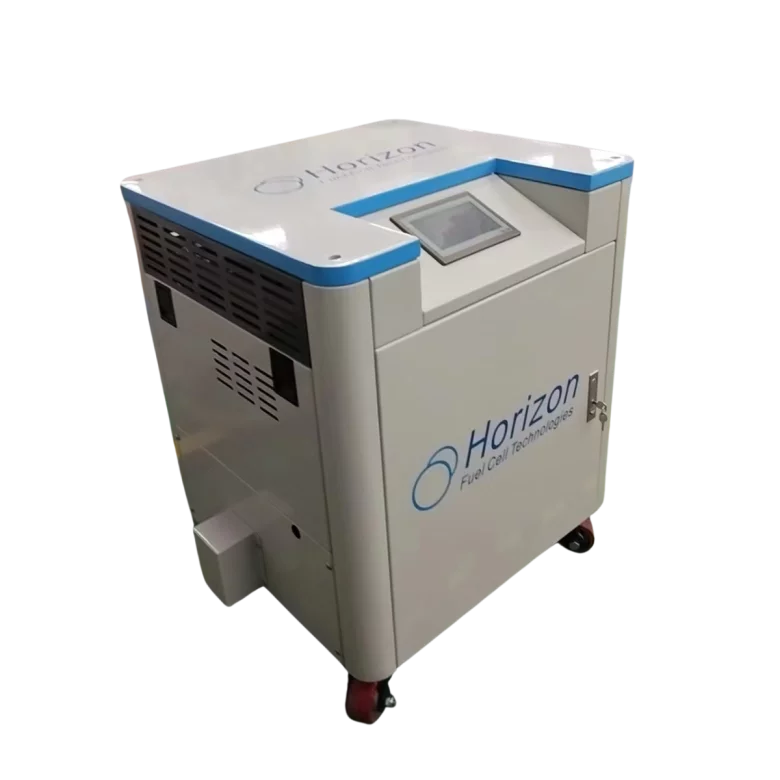
HFC Series – Liquid-cooled (5 to 170 kW)
Liquid-cooled fuel cell systems of 5, 10, 13, 40, 65, 95, 130 and 170 kW (HFC-P5 to HFC-P170).
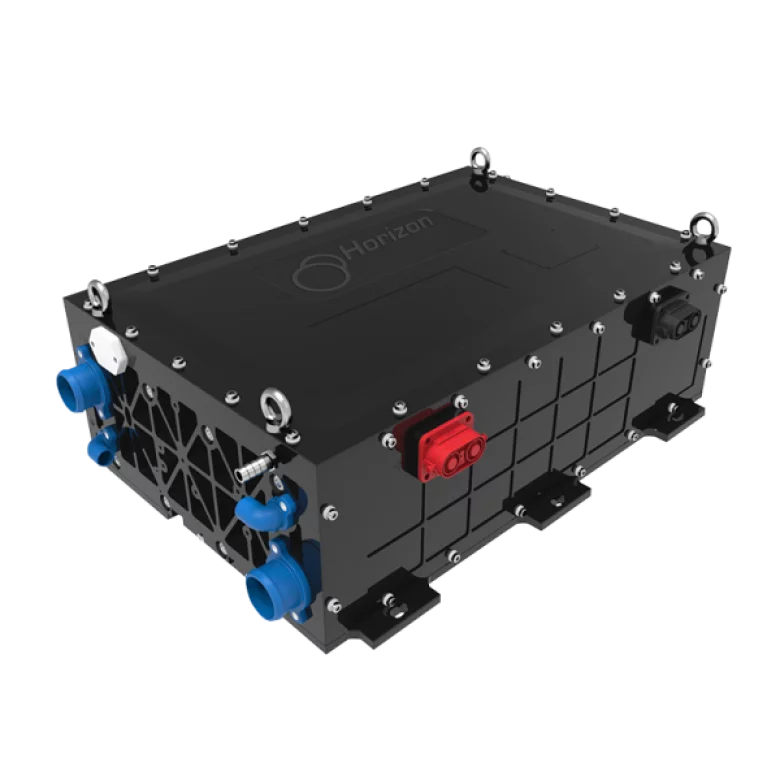
VL Series – Mobility (50 to 240 kW)
Liquid-cooled fuel cells for mobility: VL-50, VL-80, VL-110, VL-150, VL-200 and VL-240.
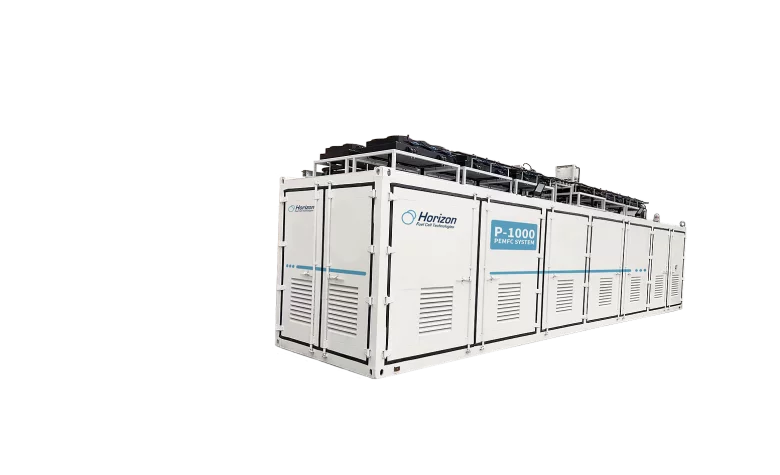
P Series – Stationary (60 kW to 1 MW)
Liquid-cooled stationary systems from 60, 80, 110, 150, 200, 300 and 500 kW up to 1 MW (P-60 to P-1000).
☀️ Solar Energy
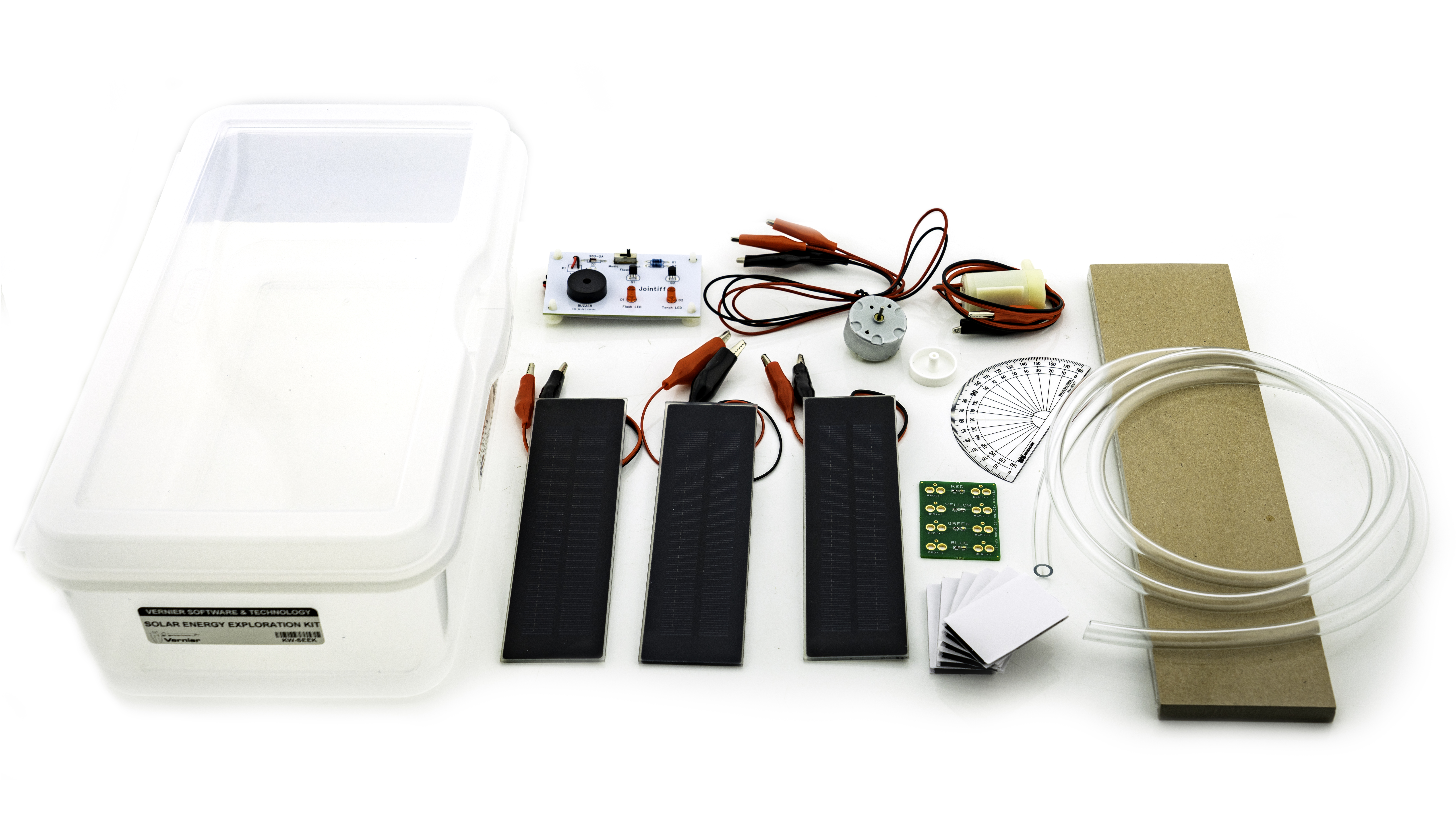
Solar Energy Exploration Kit (KW-SEEK)
Explore solar energy by investigating energy transformations and how the angle of photovoltaic panels affects electricity production.
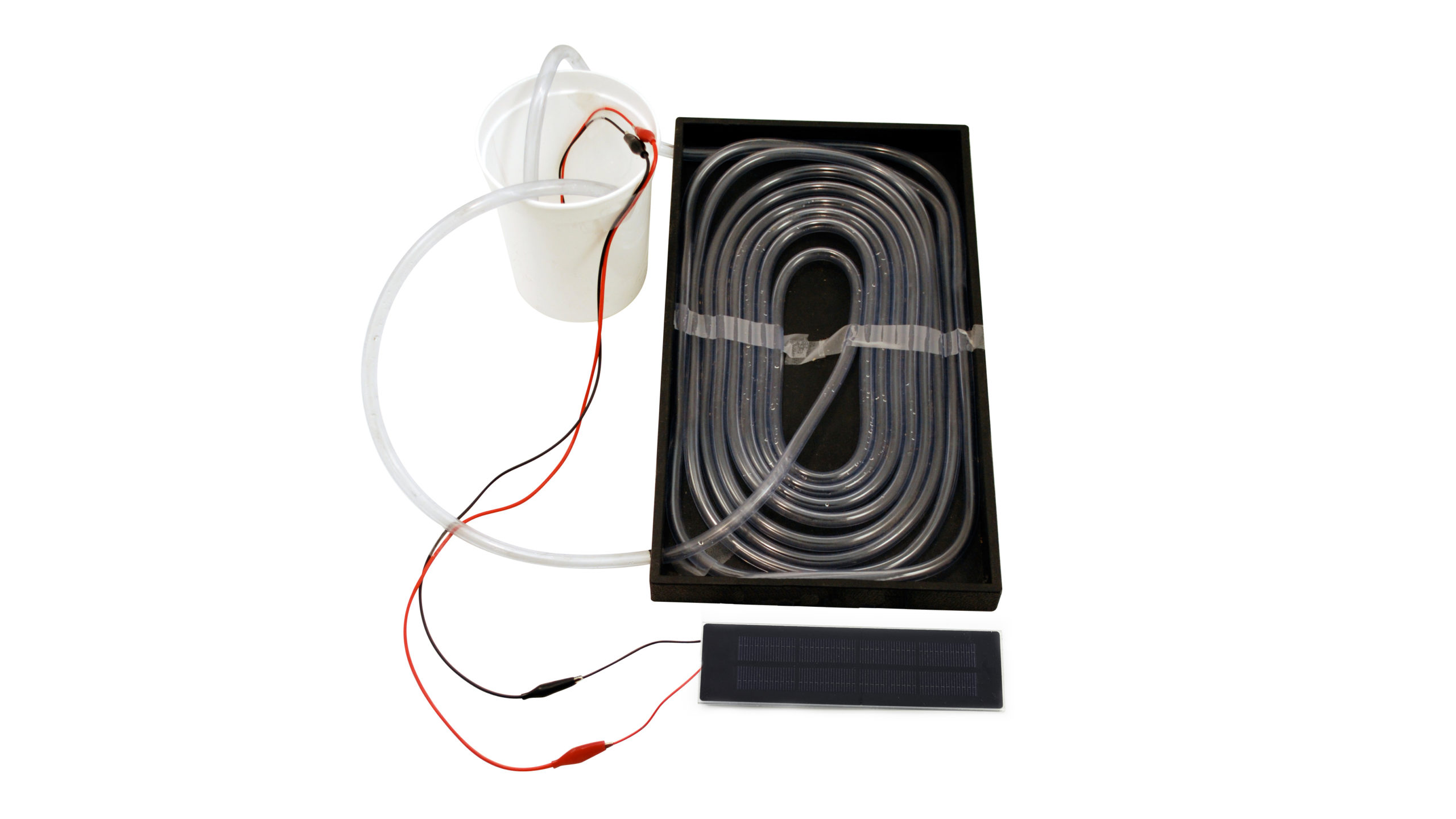
Solar Thermal Exploration Kit (KW-STXK)
Modeled after a home solar water heating system. Explore variables such as box color, light intensity, tube design, and pumping speed.
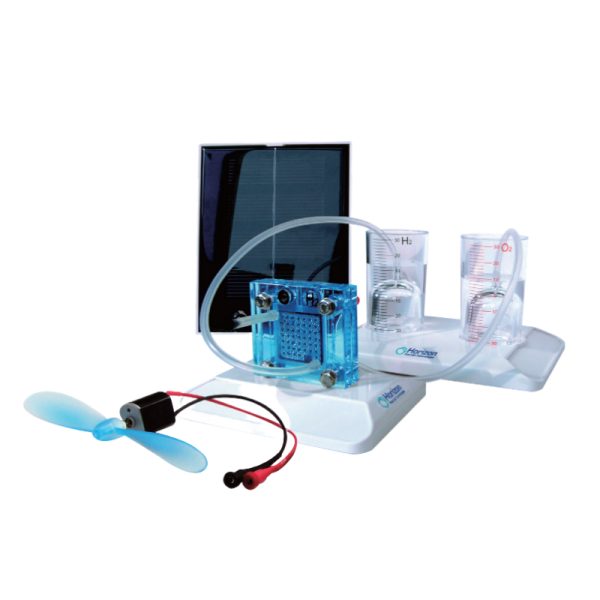
Green Hydrogen Science Kit (FCJJ-16)
Apply solar energy to produce clean hydrogen through electrolysis. Demonstrates the complete green solar energy chain.
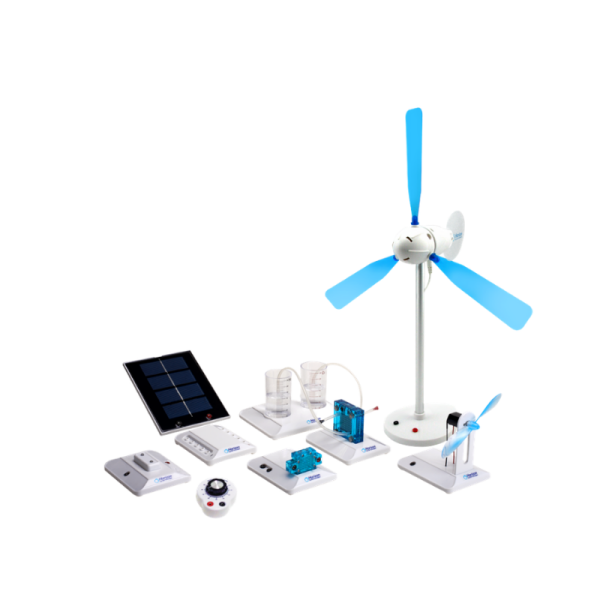
Renewable Energy Science Kit 2.0 (FCJJ-37)
Miniature clean energy system with solar panel and NASA aeronautics-based blade wind turbine. Powers circuits through fuel cells.
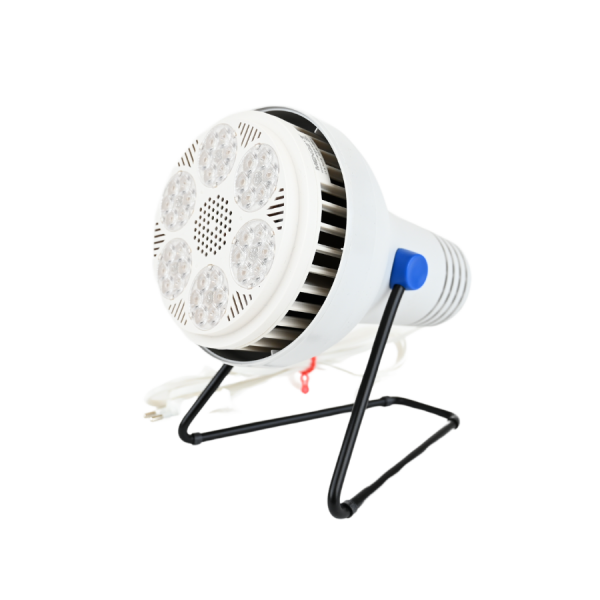
Solar Lamp (SL-314)
40W LED lamp system with adjustable stand, switch, and solar panel. Ideal for lighting and solar energy experiments.
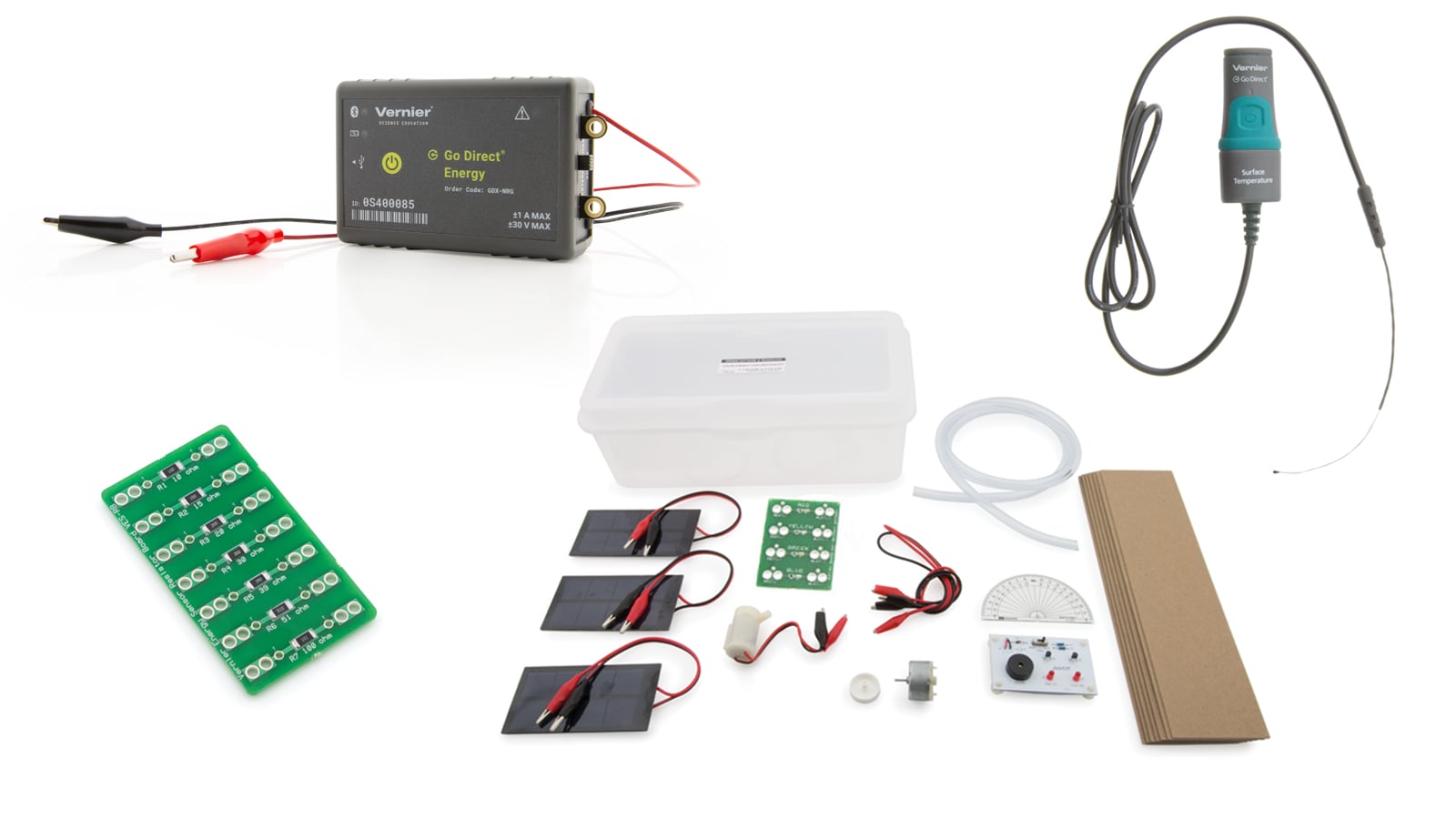
Go Direct® Investigating Solar Energy Package (GDP-EL-SE)
Real-world hands-on experience to investigate solar energy. Includes technology and materials for a student group along with the lab book.
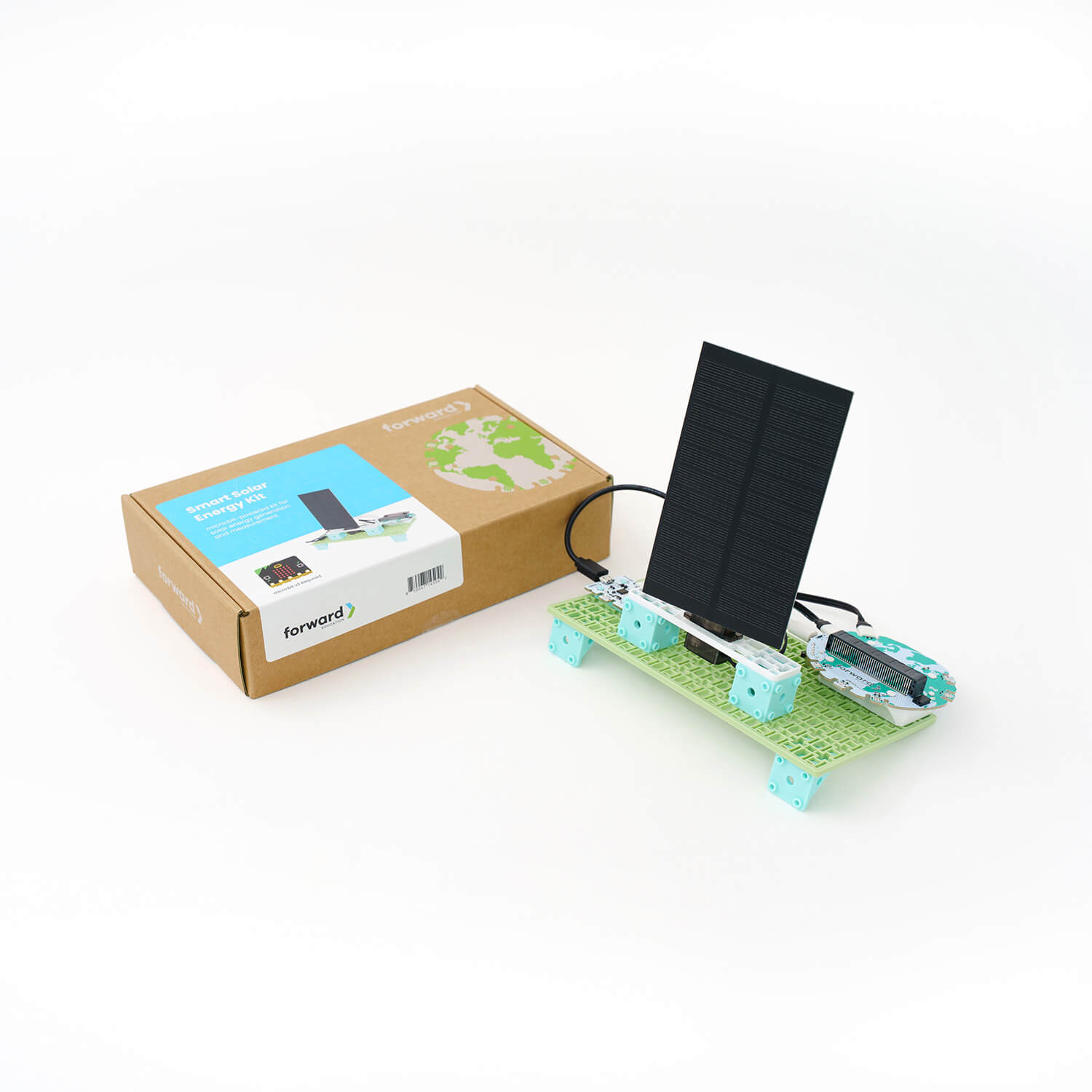
Smart Solar Energy Kit
Forward Education micro:bit kit to build and code a working solar panel. Students measure real-time voltage and current output and program responses to live solar data.
🌬 Wind Energy
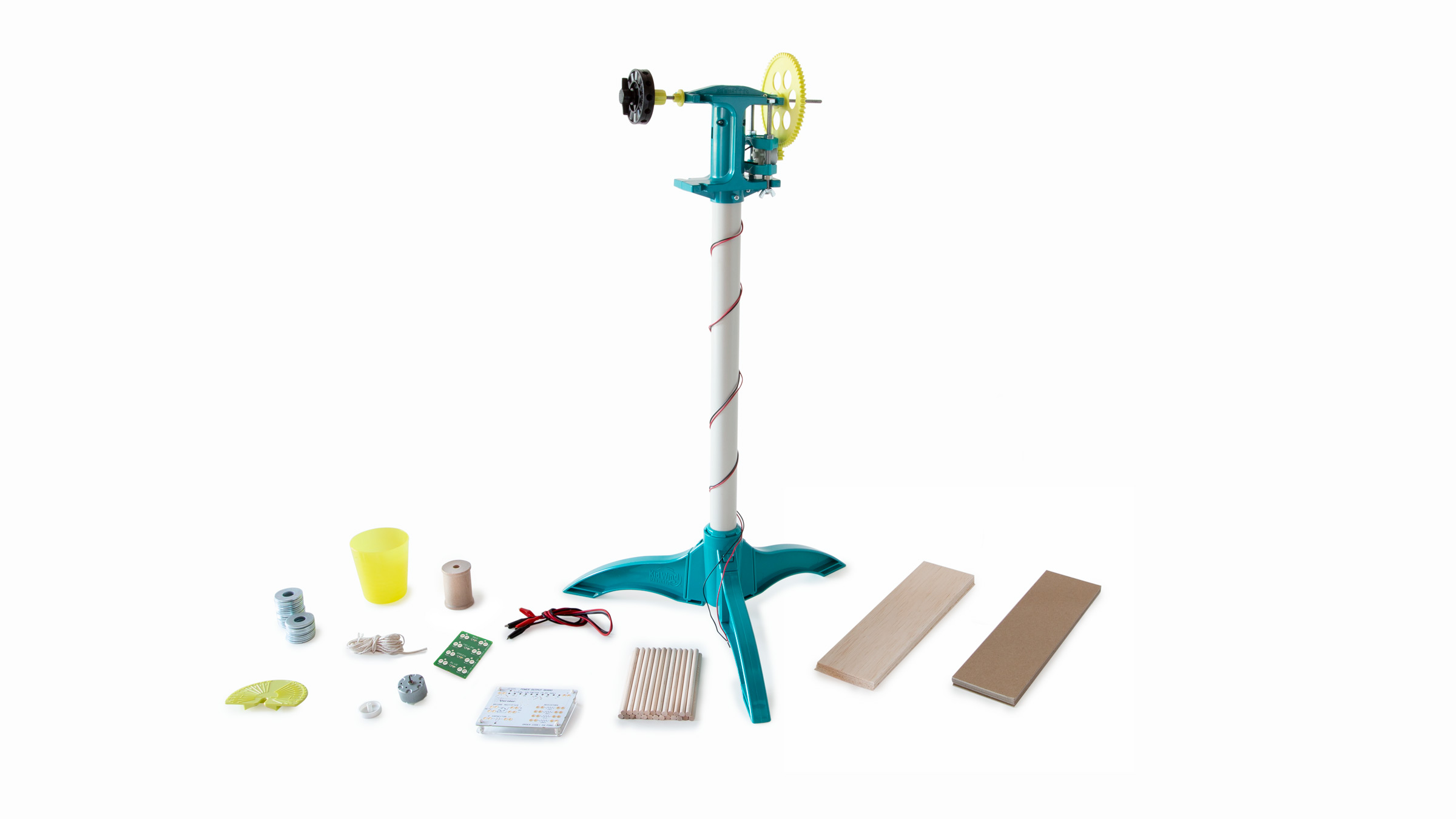
KidWind Basic Wind Experiment Kit (KW-BWX)
Allows young scientists to test blade designs, generate electricity, and lift weights. The most popular classroom wind kit.
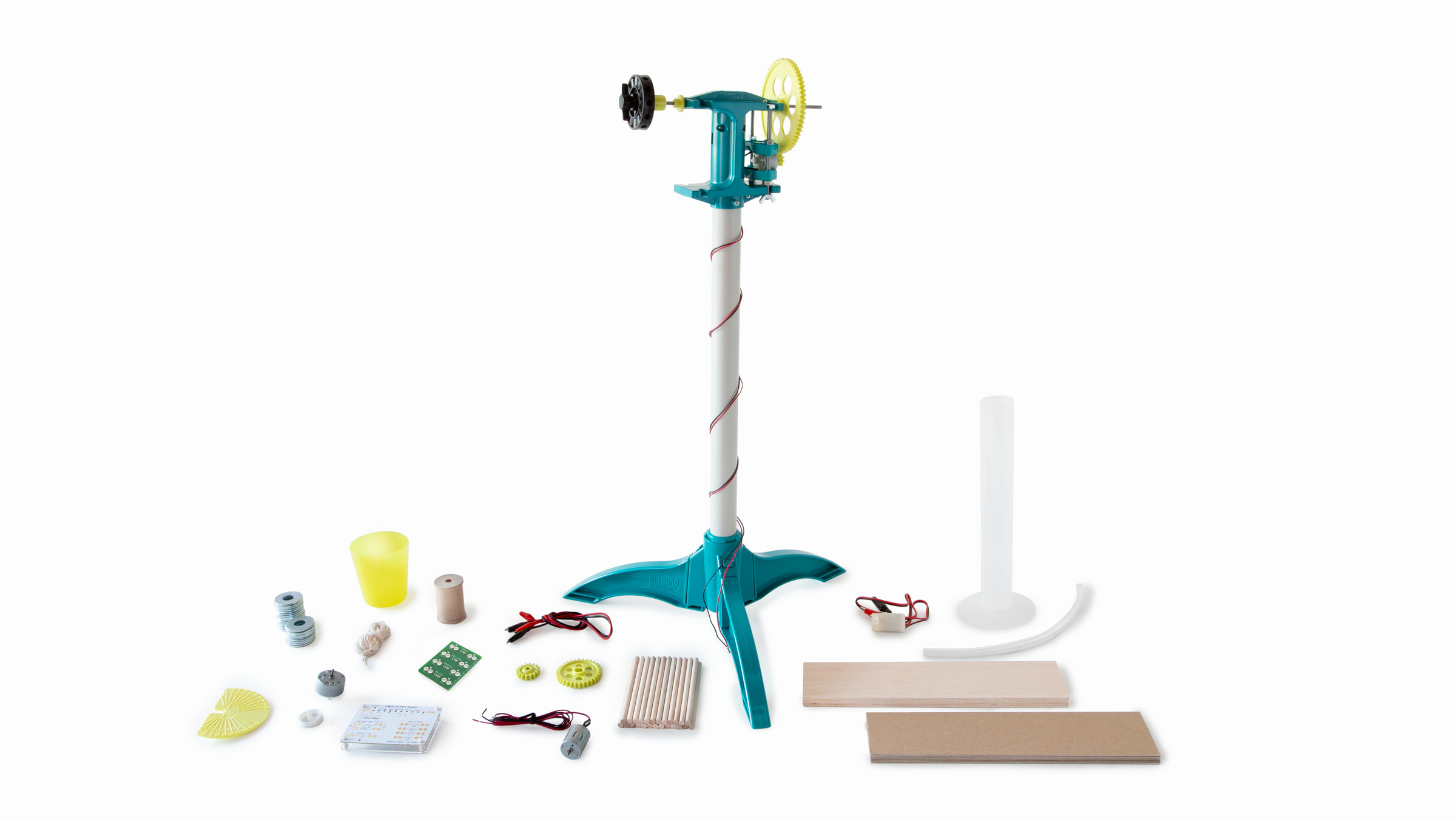
KidWind Advanced Wind Experiment Kit (KW-AWX)
Discover advanced aspects: blade design, gear ratios, generators, and electrical and mechanical power measurement devices.
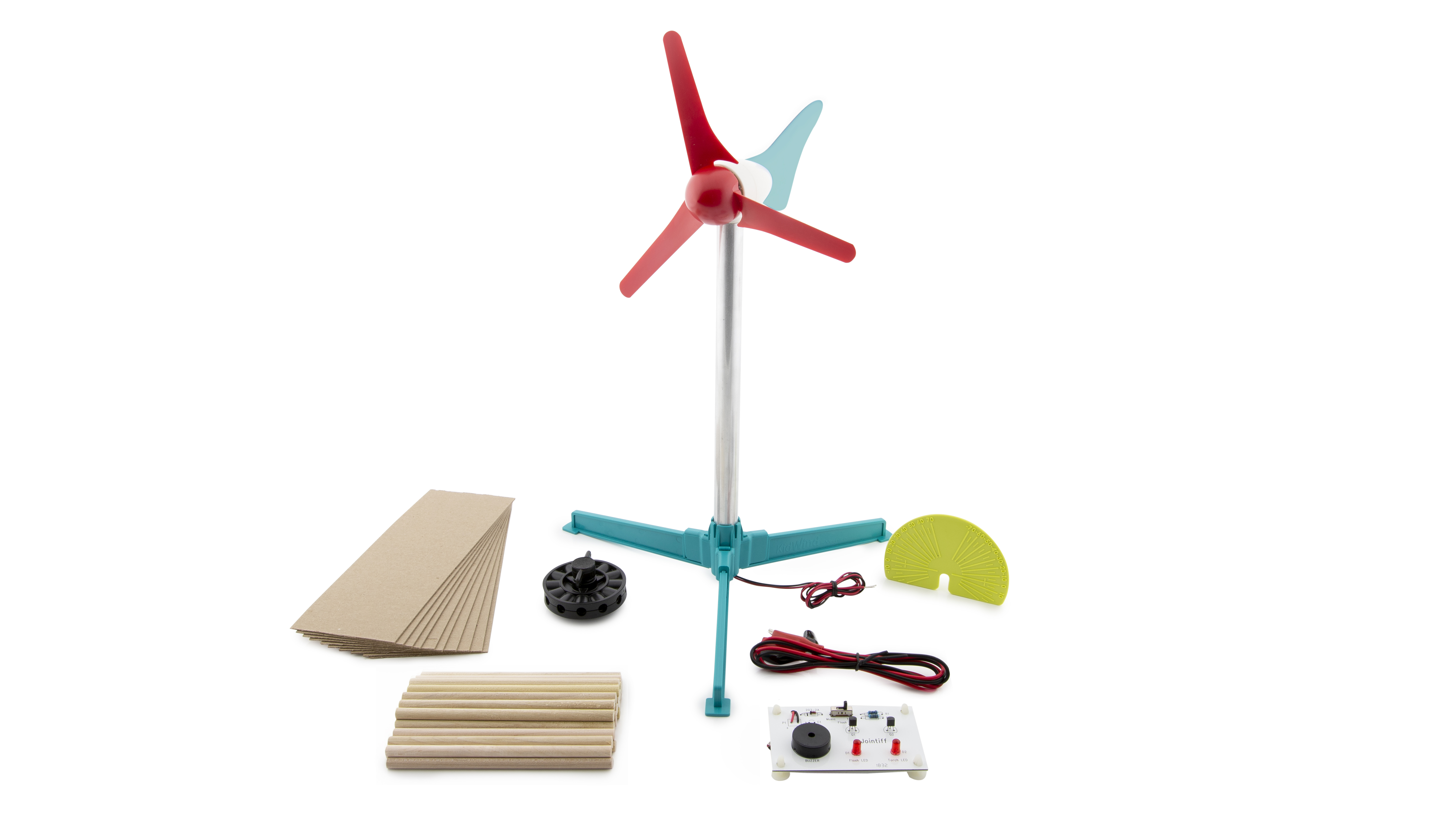
KidWind MINI Wind Turbine with Blade Design (KW-MWTBD)
Affordable and durable MINI wind turbine with complete blade design kit. Includes tower, generator, and all experimentation materials.
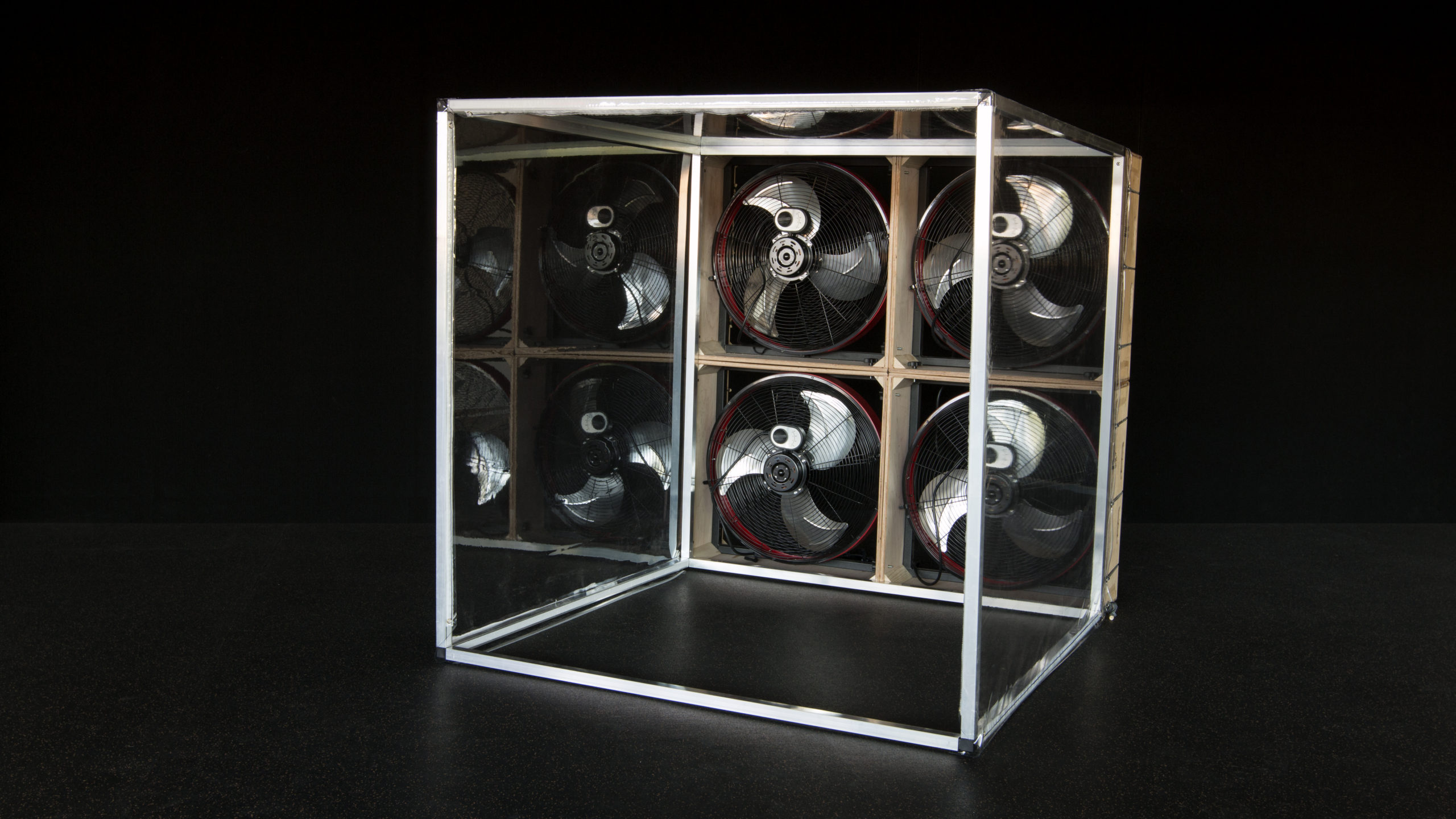
KidWind Wind Tunnel (KW-TUN)
Competition-level wind tunnel for testing larger wind turbines. Includes everything needed for construction. Delivery: 2–4 weeks.
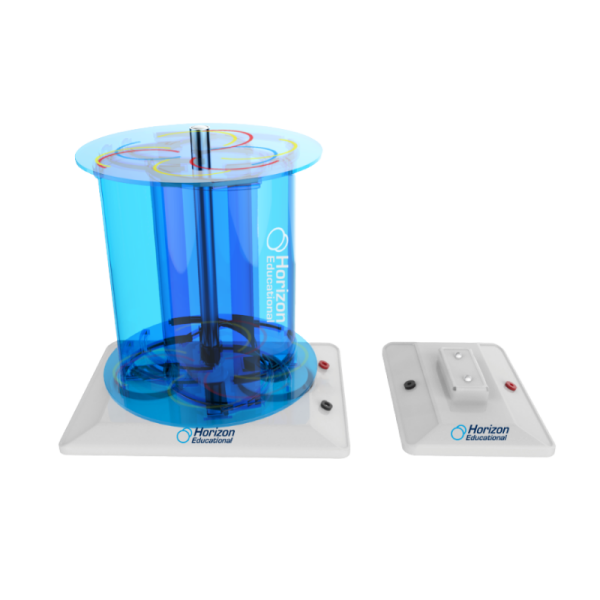
Vertical Axis Wind Turbine Science Kit (RESK-01)
The most complete educational wind energy product on the market. Vertical axis wind turbine with multiple experiment configurations.
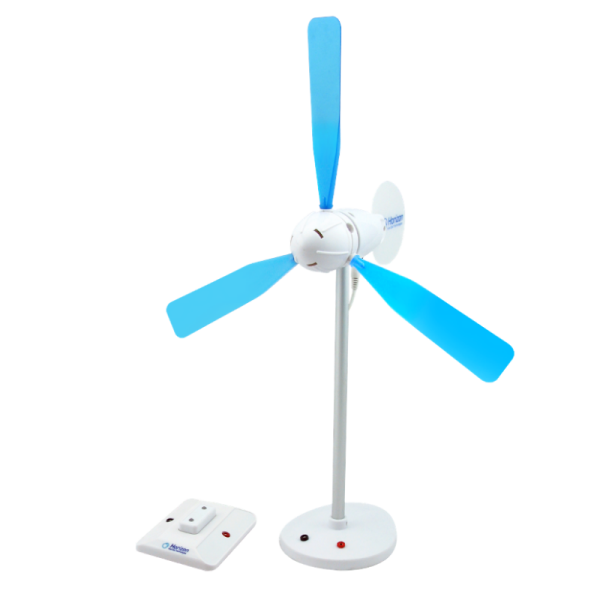
Wind Energy Science Kit (FCJJ-39)
Build a miniature power generation system that converts wind into electricity with real wind turbine components.
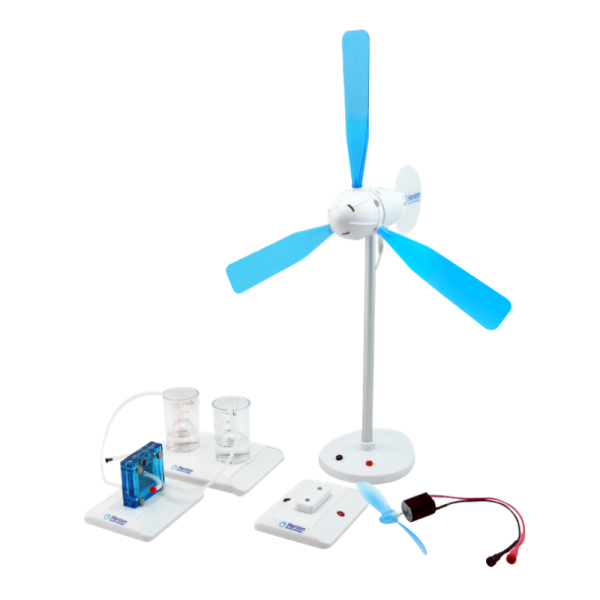
Wind-to-Hydrogen Science Kit (FCJJ-56)
Produces hydrogen using wind energy. Demonstrates the complete chain: wind → electrolysis → hydrogen storage.
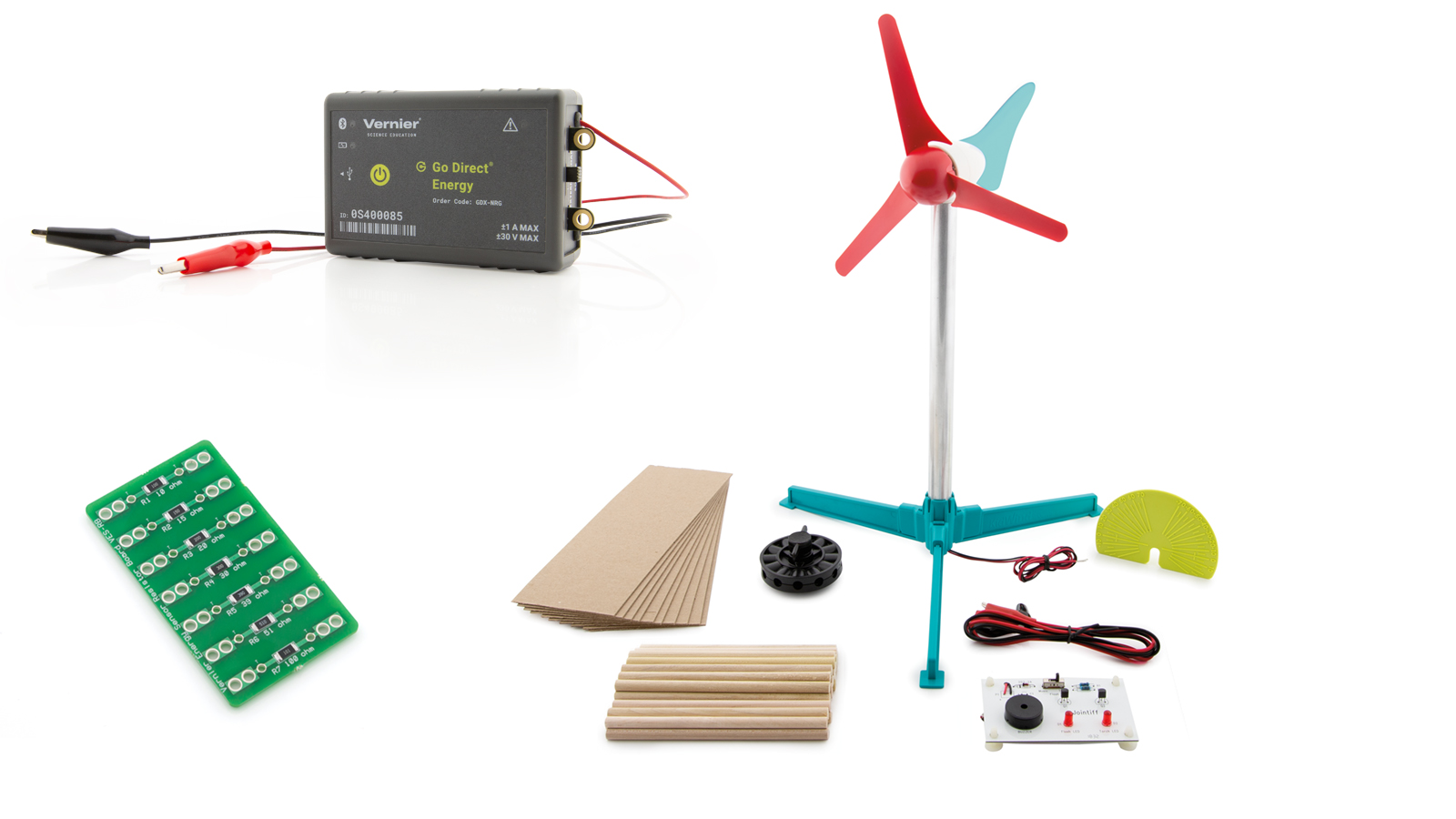
Go Direct® Investigating Wind Energy Package (GDP-EL-WE)
Everything needed for a student group to investigate wind energy: energy transfer, basic circuits, and blade design.
📊 Measurement, Data Acquisition & Analysis
Sensors and monitors to quantify voltage, current, power, energy, radiation and weather conditions.
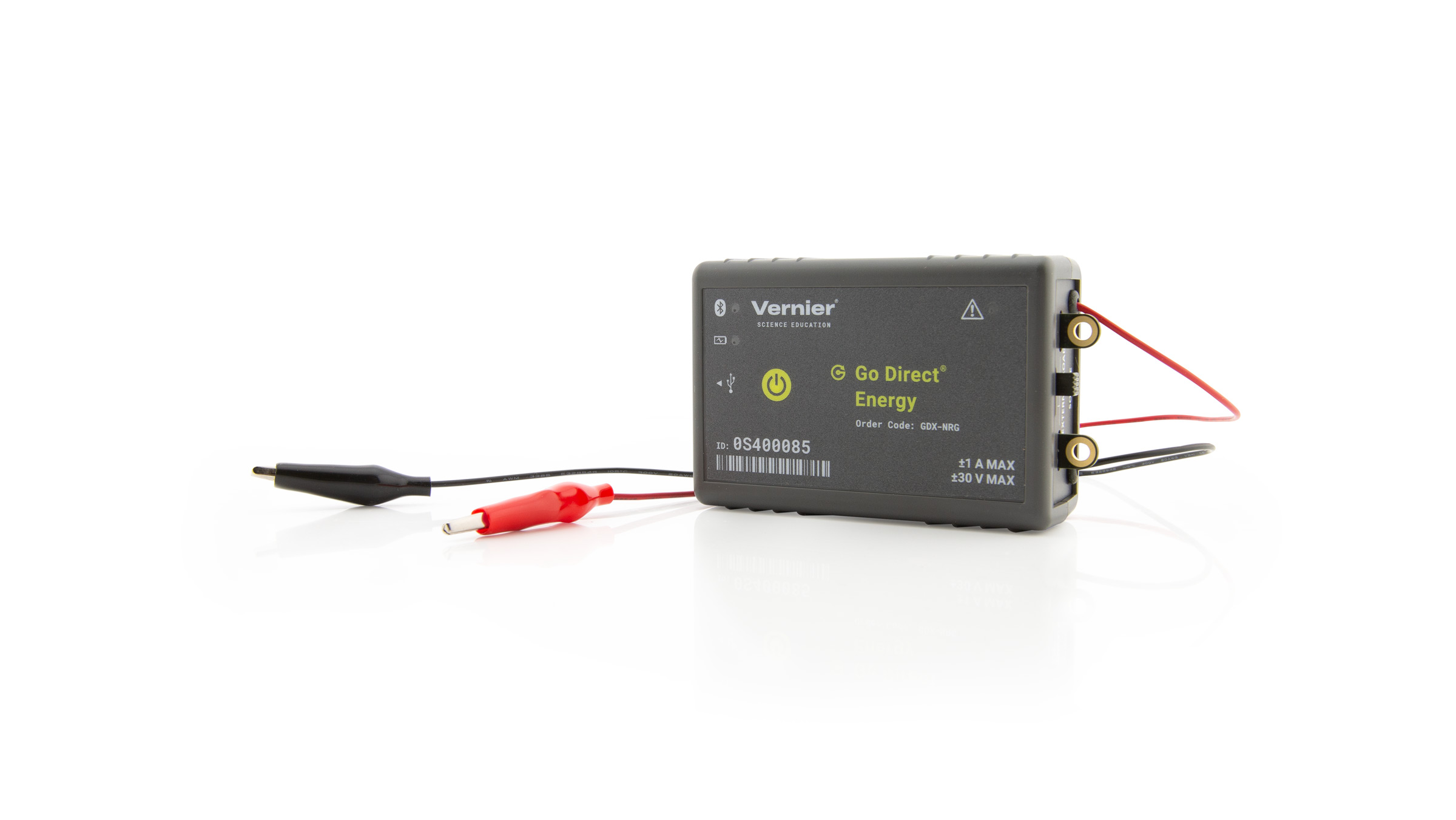
Go Direct® Energy Sensor (GDX-NRG)
Quantifies voltage, current, power, and energy from small wind turbines and solar panels. Connects via Bluetooth® to Graphical Analysis or Logger Pro.
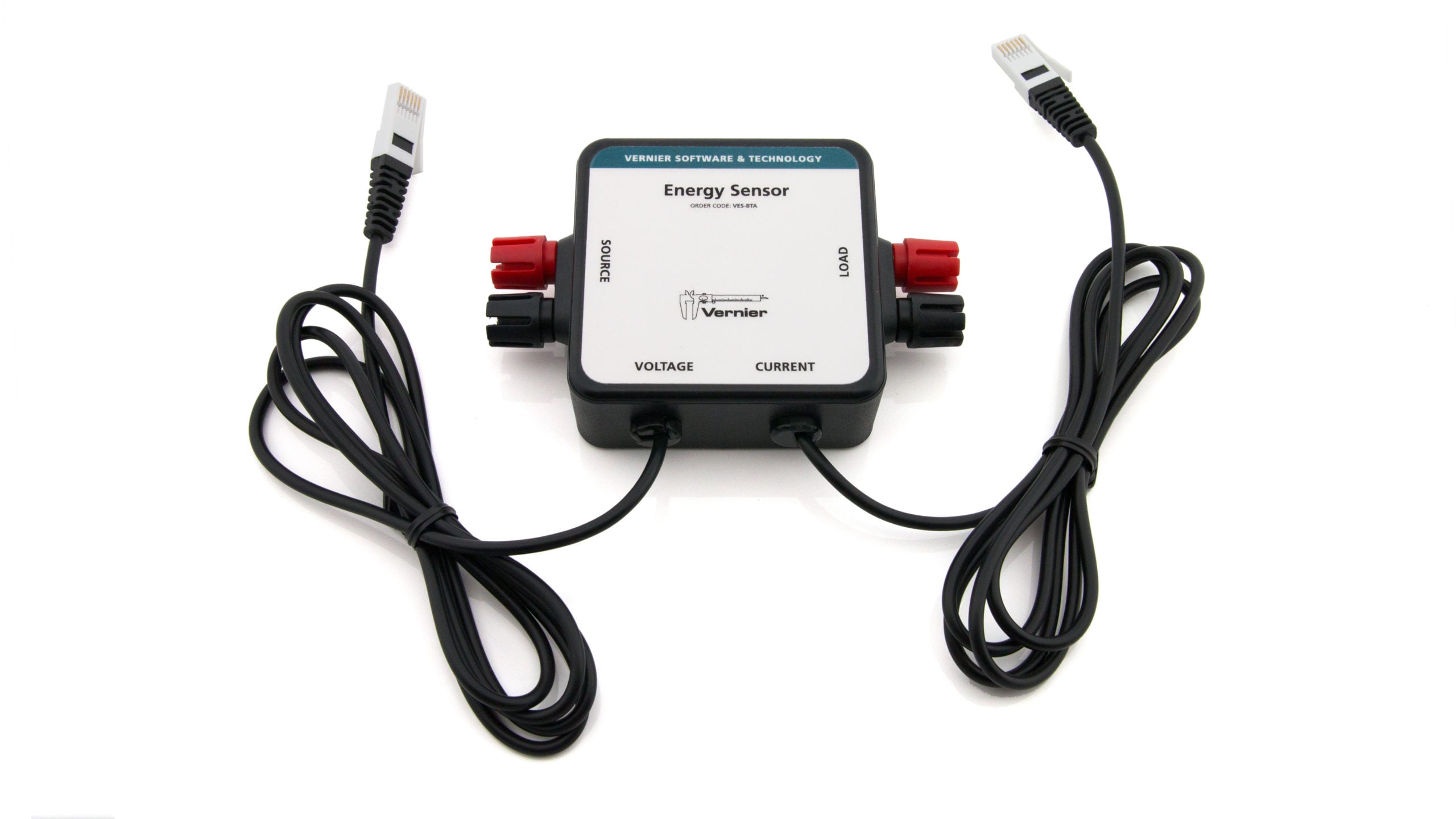
Vernier Energy Sensor (VES-BTA)
Quantifies voltage, current, power, and energy from wind turbines and solar panels. Compatible with all Vernier BTA interfaces.
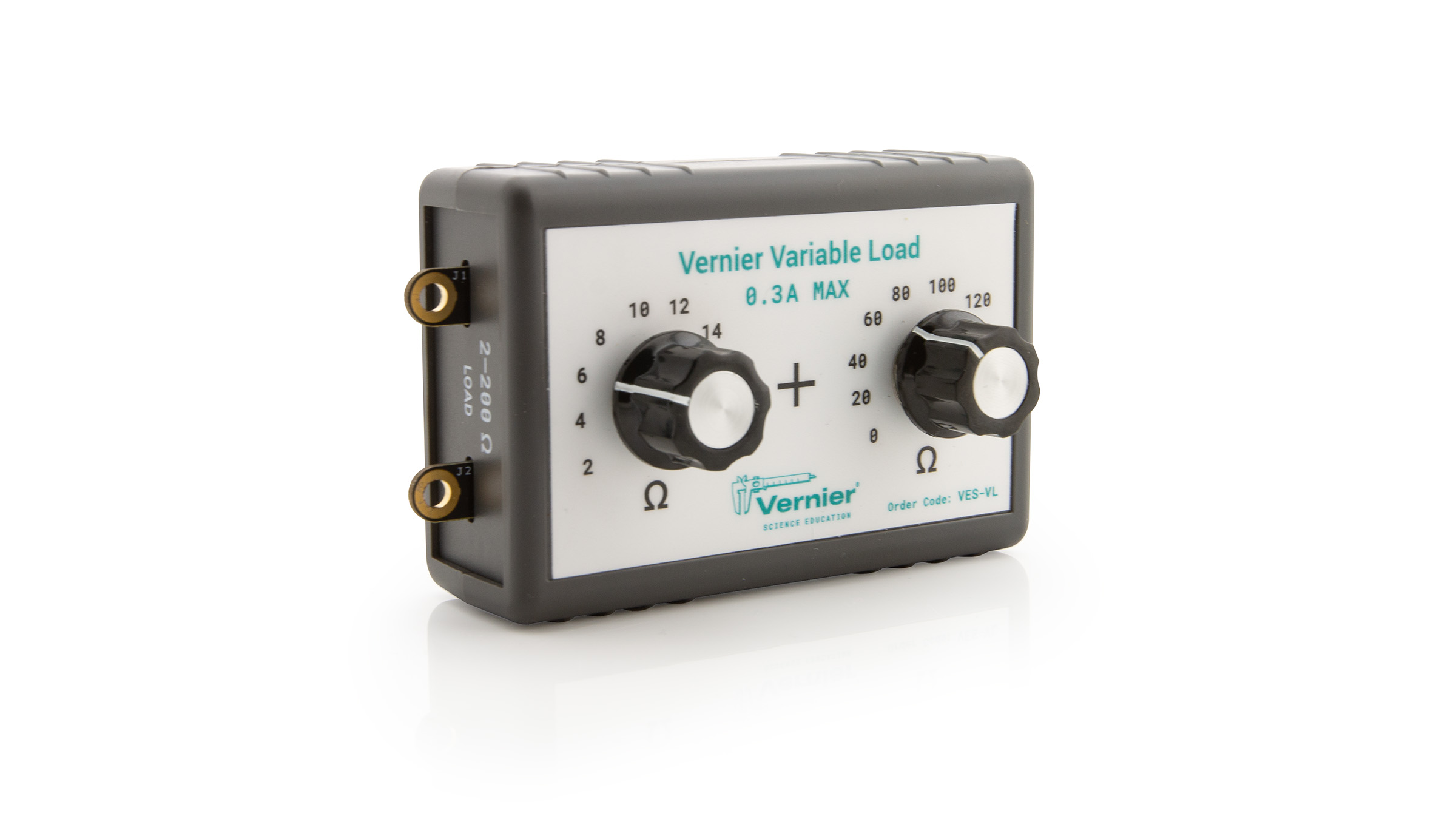
Vernier Variable Load (VES-VL)
Allows adjusting resistance between 2 and 200 Ω to determine the optimal load for a renewable energy system and optimize power transfer.
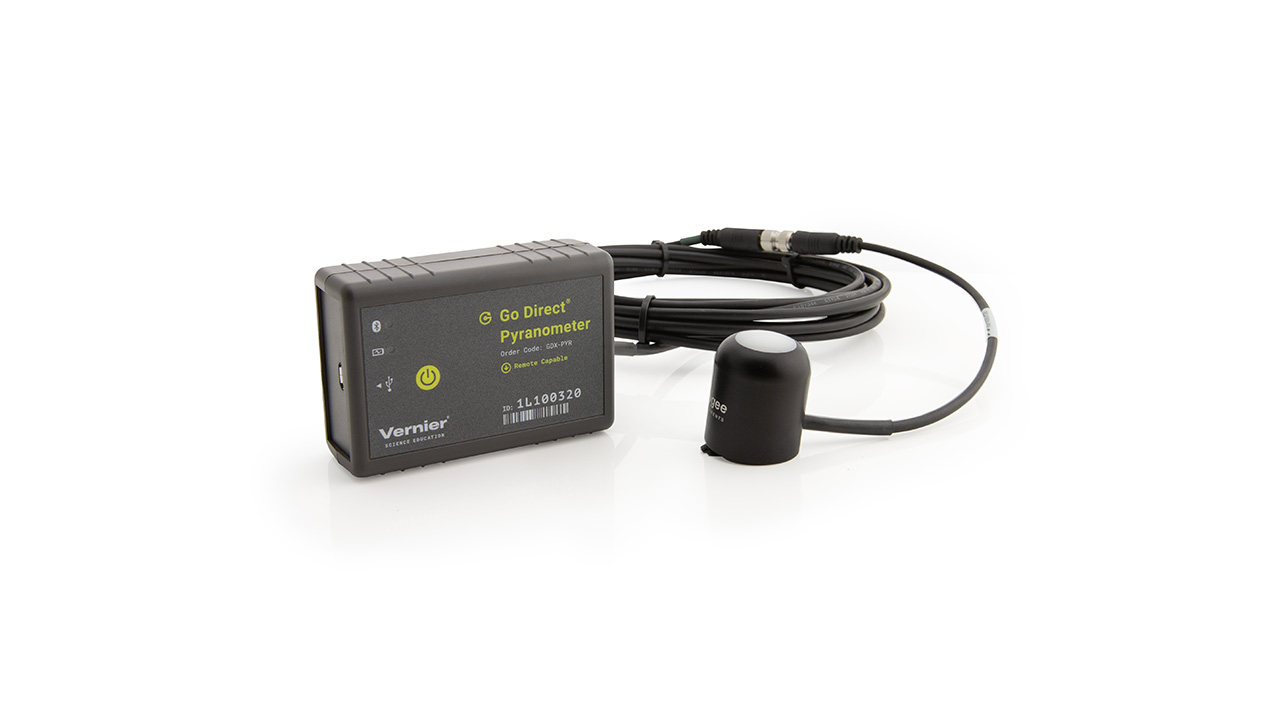
Go Direct® Pyranometer (GDX-PYR)
Measures electromagnetic radiation power in W/m². Sensitive to UV, visible, and near-infrared, where 90% of solar energy is concentrated.
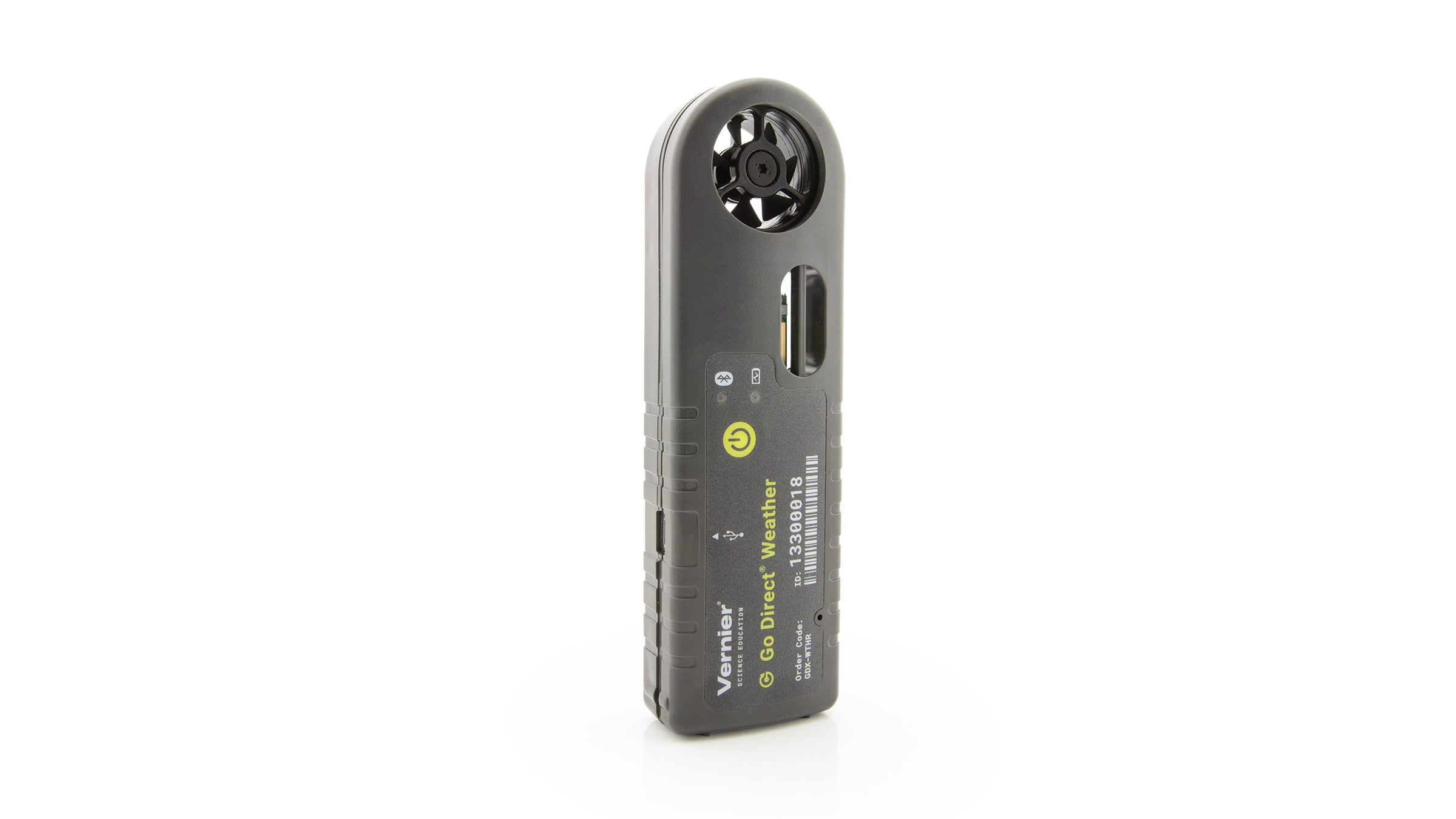
Go Direct® Weather System – Sensor Only (GDX-WTHR)
Monitors temperature, humidity, barometric pressure, wind speed, and more with a single Bluetooth® wireless sensor.
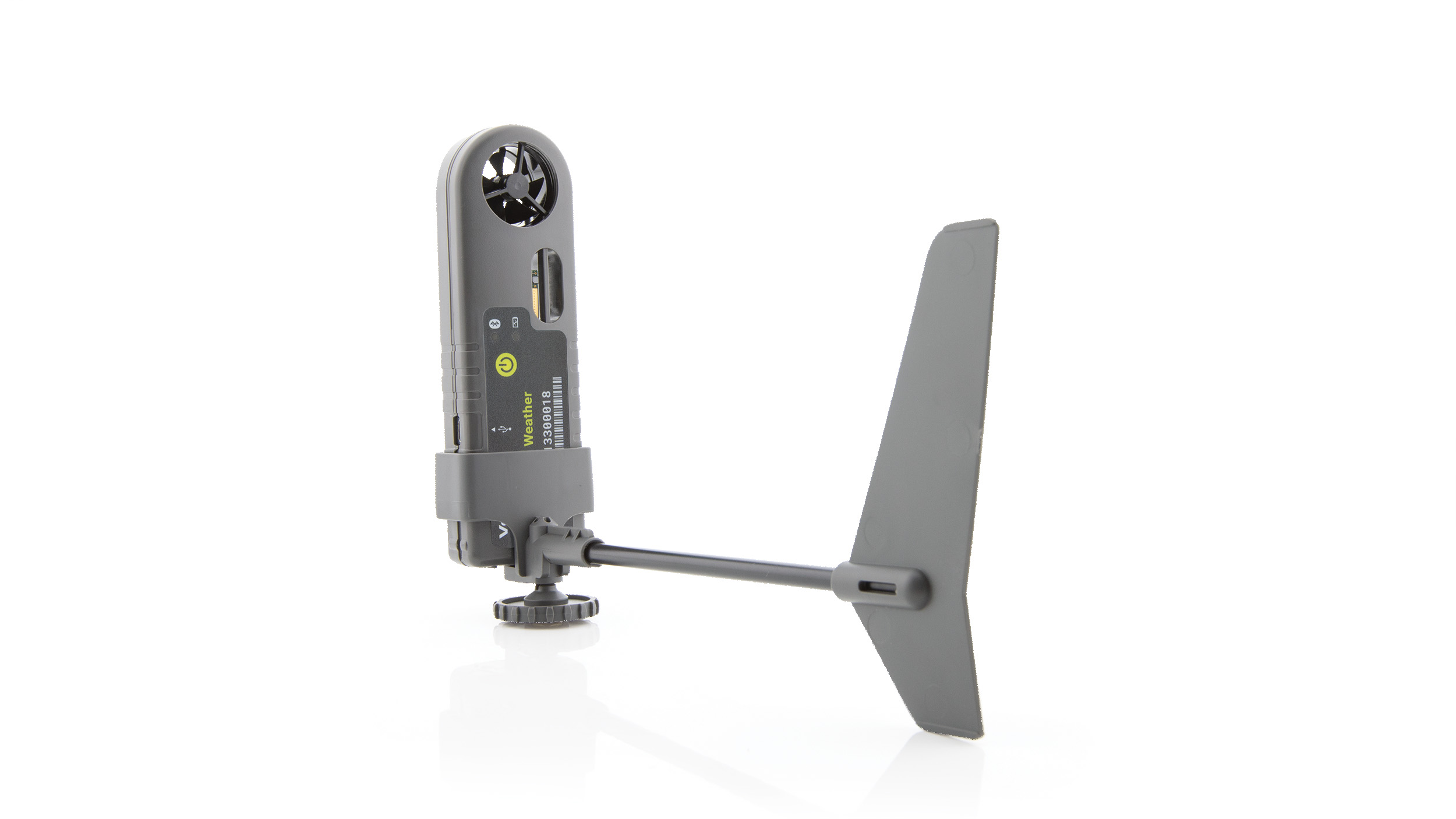
Go Direct® Weather System with Wind Vane (GDX-WTVA)
Complete weather system with included wind vane. Measures temperature, humidity, pressure, wind speed, and direction in real time.
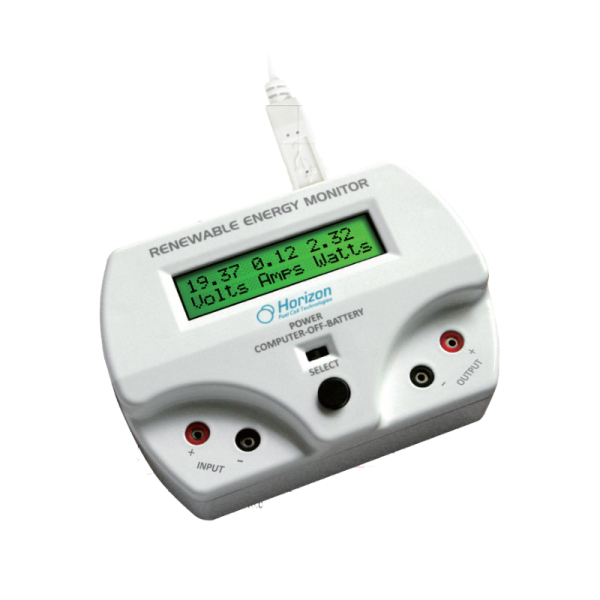
Energy Monitor (FCJJ-24)
LCD screen monitor that measures voltage, current, power, joules, resistance, and RPM in real time. Compatible with all Horizon kits.
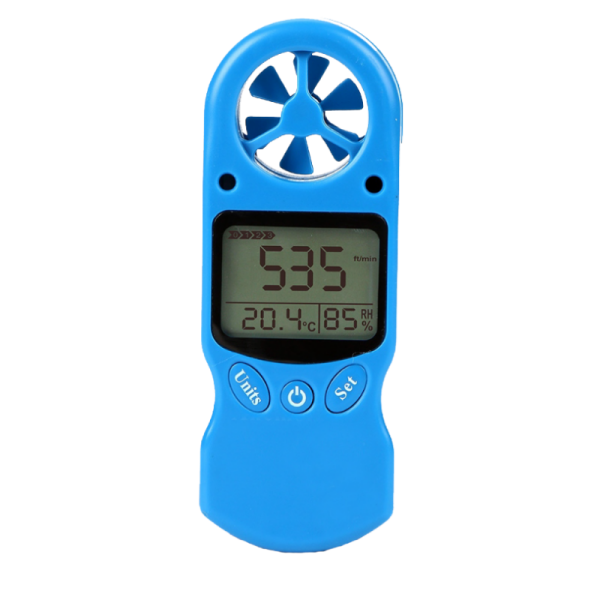
Digital Anemometer (DA-100)
Measures wind speed, temperature, and humidity for data analysis in wind experiments. Essential for wind energy studies.
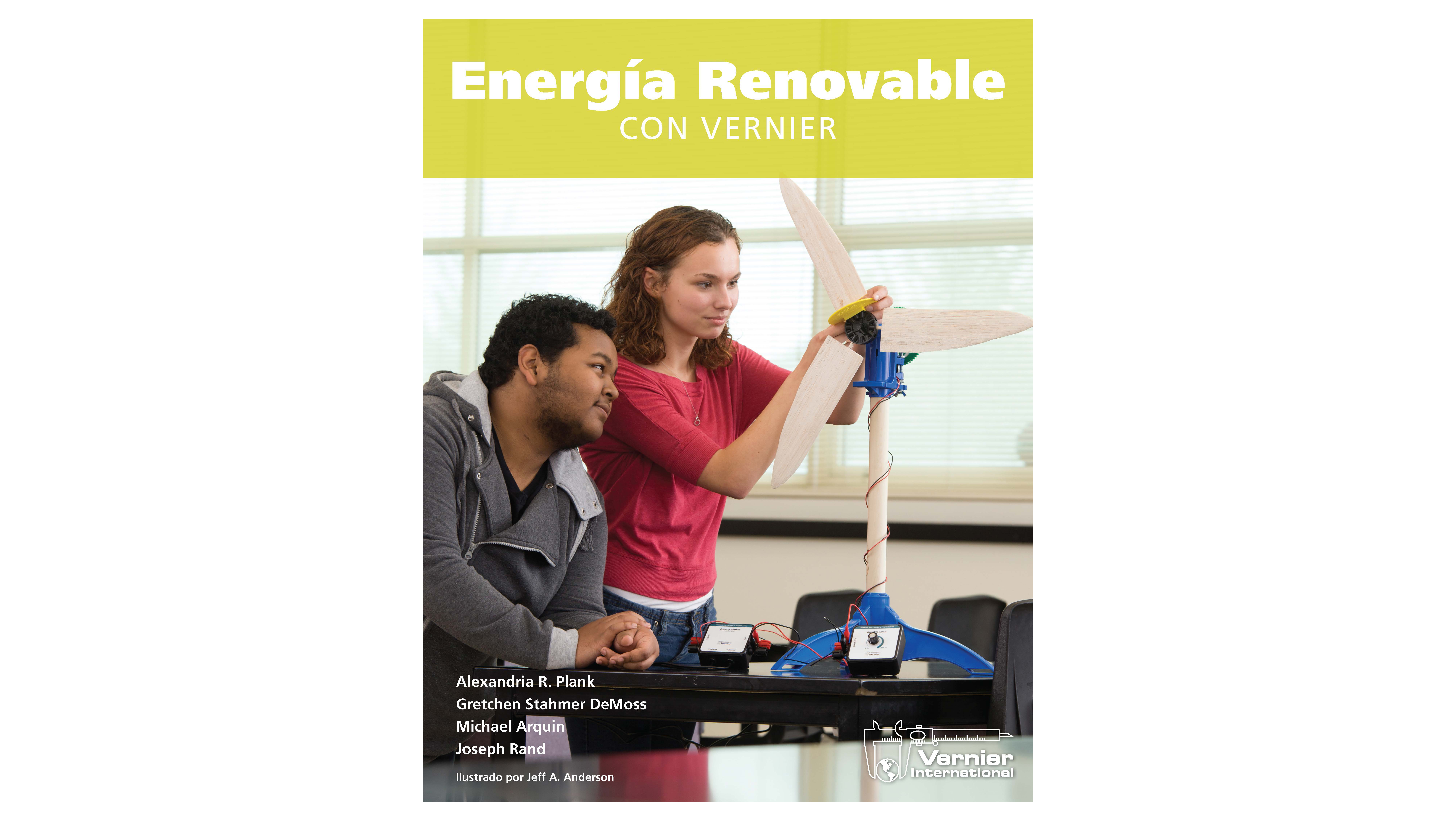
Renewable Energy with Vernier – Spanish E-Book (REV-ES-E)
26 wind and solar energy experiments in Spanish. Includes explorations, traditional experiments, and inquiry investigations. Available in digital format.
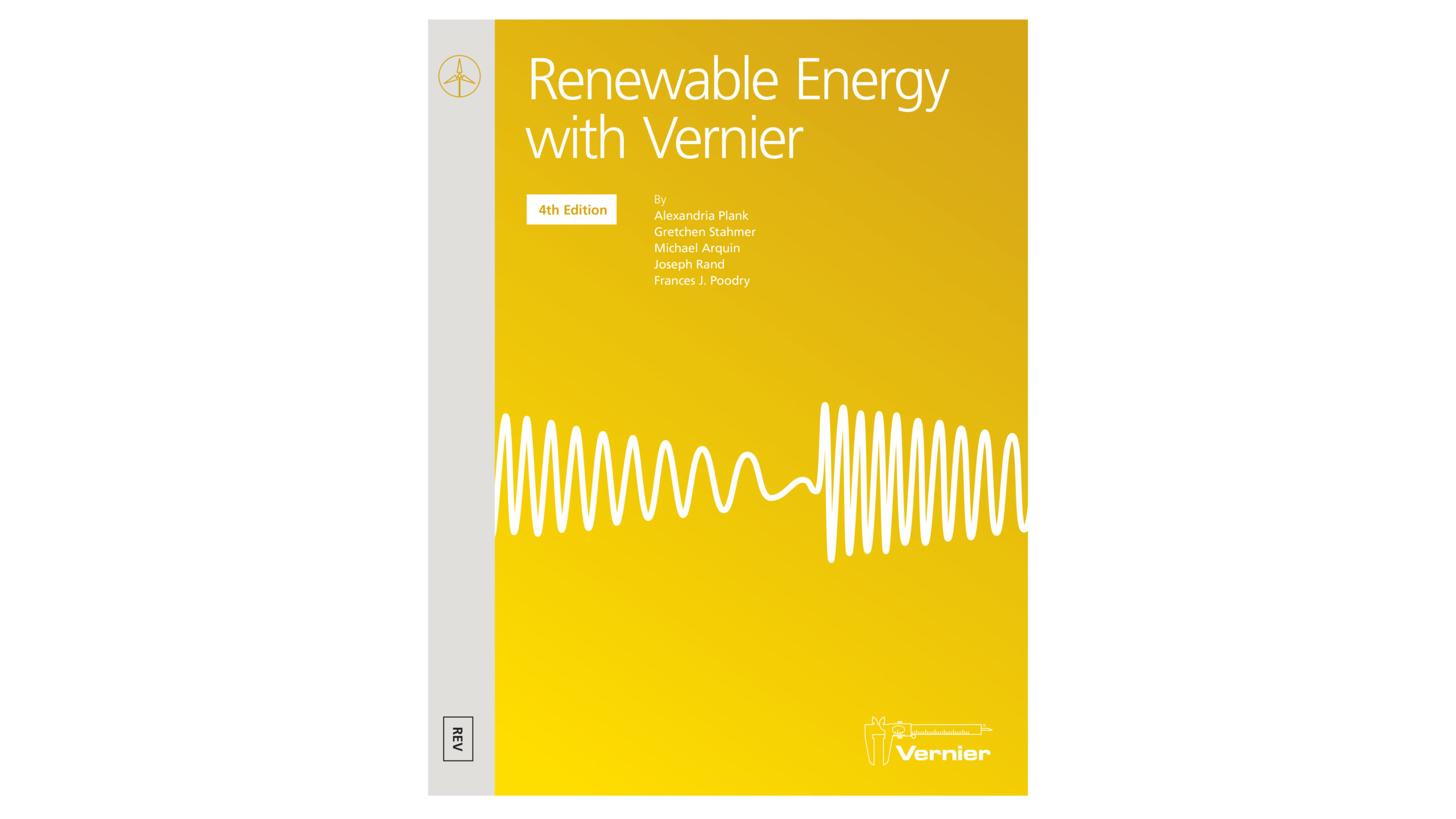
Renewable Energy with Vernier – Print + E-Book (REV)
26 wind and solar energy experiments in English. Includes explorations, traditional experiments, and inquiry investigations.
⚡ Storage, Electromobility & Power
Batteries, EV charging, motors and supercapacitors.
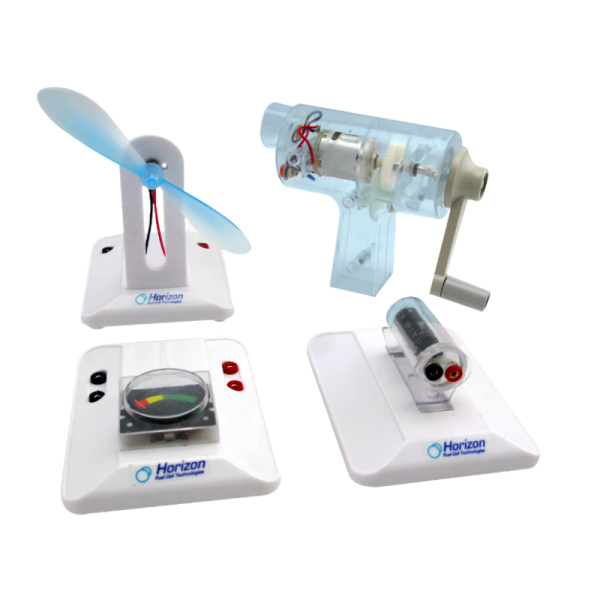
Supercapacitor Science Kit (FCJJ-35)
Introduces energy storage in supercapacitors and their instantaneous power potential for high-demand applications.
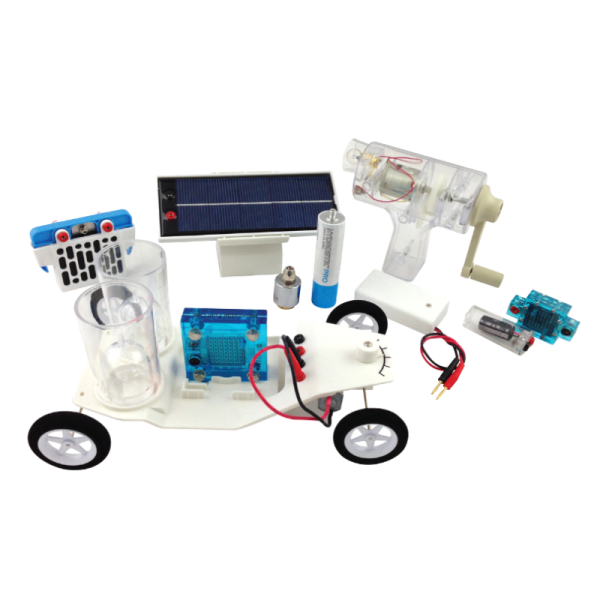
Electric Mobility Experiment Set (FCJJ-30)
Explore sustainable transportation solutions with energy density measurement to study the future of mobility.
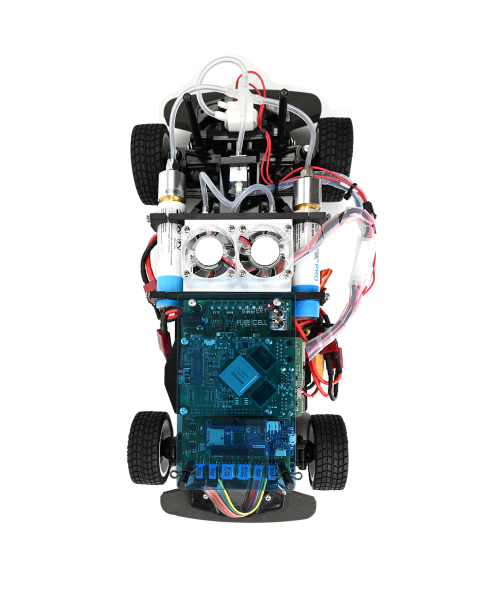
H2Hybrid – Fuel Cell Automotive Trainer (FCAT-30)
Explore science and engineering concepts with a working fuel-cell-powered car. Hardware, software and digital curriculum for students from secondary technical-vocational education to university engineering.
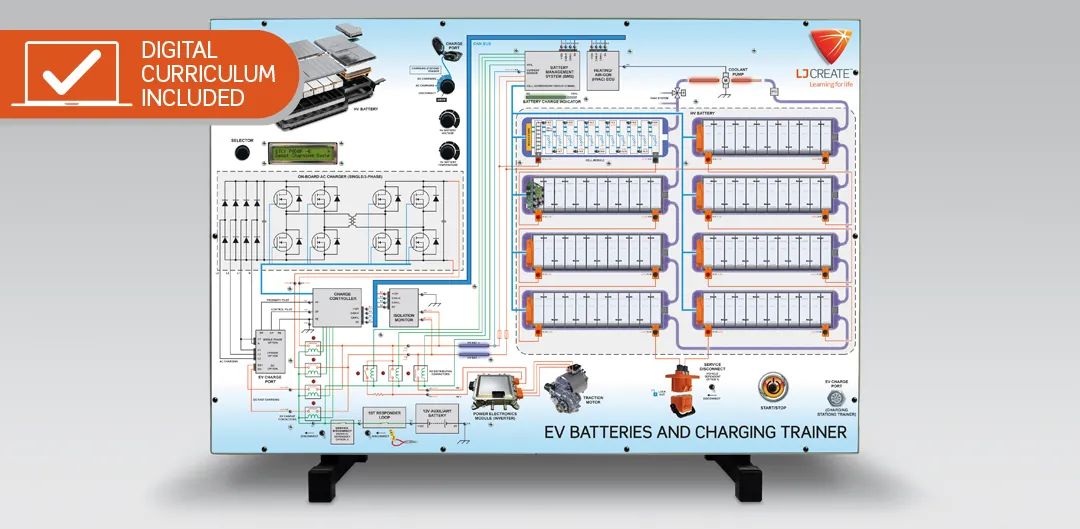
Panel Trainer – EV Batteries and Charging (741-01)
Focuses on the operation, safety, structure and limitations of electric and hybrid vehicle batteries. Students explore charge/discharge cycles and investigate battery performance metrics.
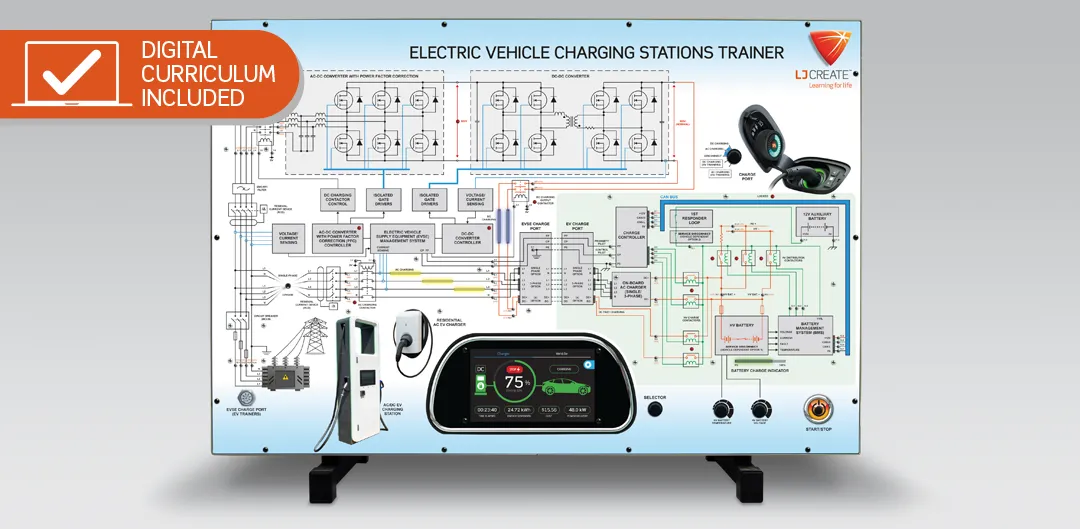
Panel Trainer – EV Charging Stations (743-01)
Lets students demonstrate, investigate and diagnose faults in the circuitry and operation of external charging systems for electric and hybrid vehicles. Simulates home and commercial charging stations at safe voltages.
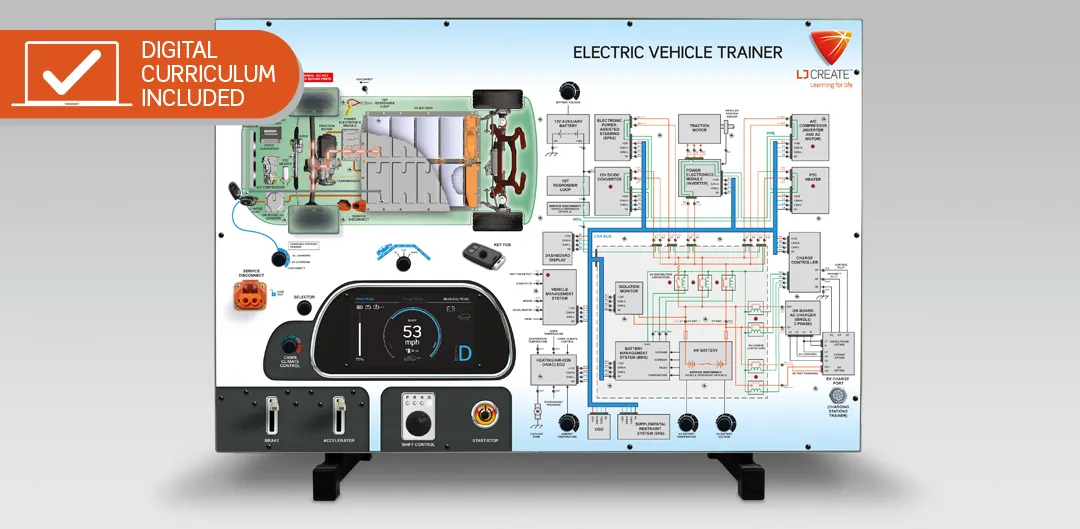
Panel Trainer – Electric Vehicle Systems (740-01)
Training equipment that helps students build skills in maintaining and repairing electric and hybrid vehicles. Simulates the electrical systems of typical electric vehicles with safe-voltage test points.
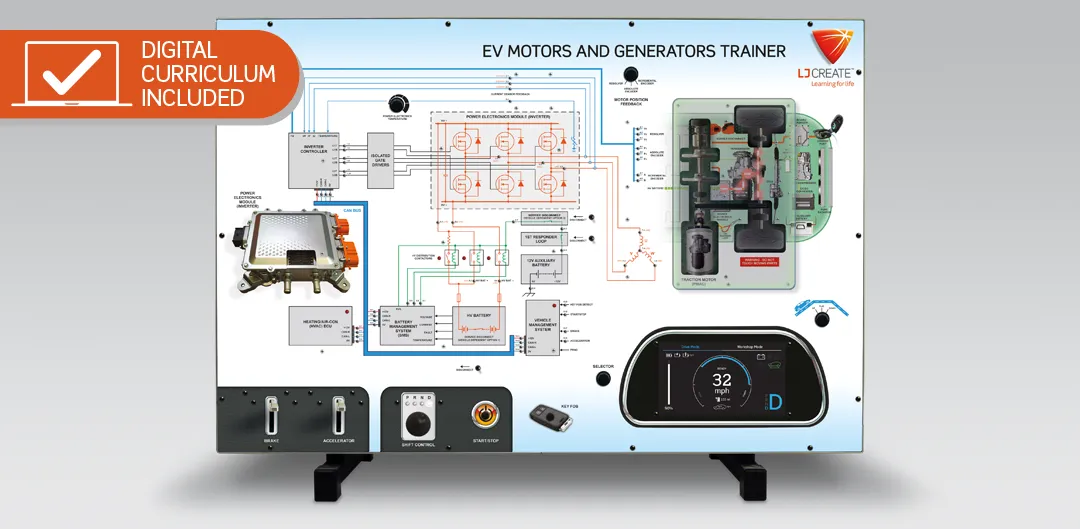
Panel Trainer – EV Motors and Generators (742-01)
Centred on electric motor speed control using position and speed sensors. Operates at scaled safe voltages and replicates real operating scenarios of electric and hybrid vehicles.
Panel Trainer – Hybrid Vehicle Systems (756-01)
Lets students demonstrate, investigate and simulate faults in the electrical system of an electric and hybrid vehicle. Combines mechanical visualisation with electrical power-flow simulation and safe-voltage test points.
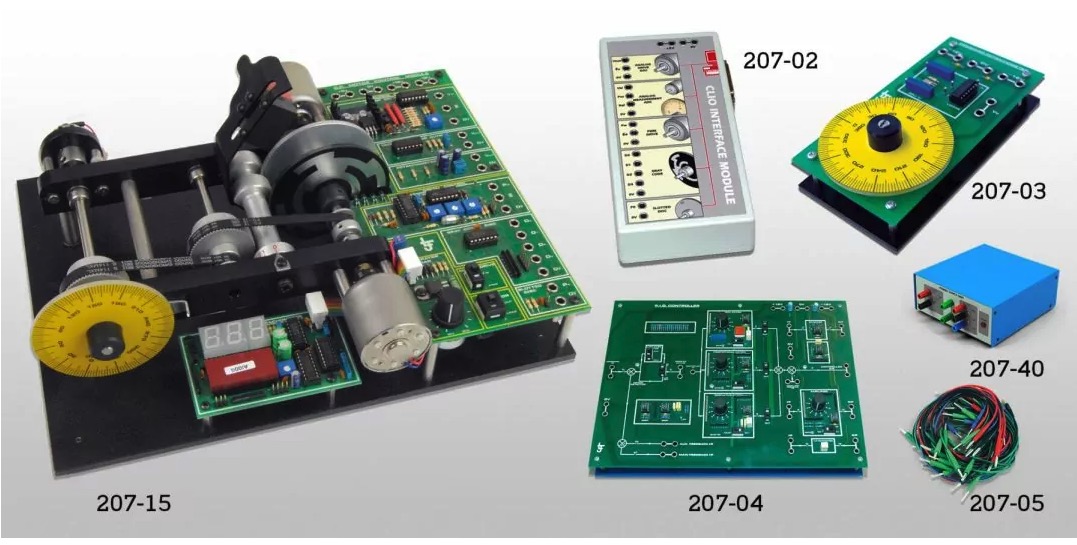
Analogue and Digital Motor Control Kit (207-00)
Teaching platform covering DC and AC motor control, including analogue and digital techniques. Students study speed drives, PWM control, frequency inverters and protection circuits in real industrial applications.
Related articles
Reads from our team on hydrogen, renewable energy and electromobility.
How a PEM Fuel Cell Works: From the Electrolyser to the Track
30W PEM fuel cell, HydroFill electrolyzer, IATA-approved metal hydride cylinders and hybrid vehicle engineering: an in-depth technical interview on how H2 Grand Prix Pro really works.
Read article →H2 Grand Prix: Building Tomorrow's Hydrogen Energy Talent
How the H2 Grand Prix international educational program, organized by SOFOFA and Districalc with support from Colbún, uses green hydrogen cars to prepare young technicians for the energy industry of the future.
Read article →H2 Grand Prix Sprint: when your school's maker lab becomes a world competitive advantage
Hydrogen from water, 3D printing, and a real-time world ranking: that is how H2GP Sprint works — the Horizon program where modifying your car with the school maker lab can take you to the international championship.
Read article →The Challenges of Teaching Electric Vehicle Systems
Why teaching an electric vehicle is not the same as teaching a combustion engine, and how LJ Create trainers solve the pedagogical paradox of the high-voltage classroom.
Read article →Climate Change Projects in the Classroom: Design Thinking in 5 Phases with micro:bit
73 pieces, 15+ lessons, and a 5-phase Design Thinking process: how Forward Education's Climate Action Kit brings climate action into the classroom with micro:bit. Includes educator Kyle Kitchen's testimonial and real California cases.
Read article →